
Reviewed · AKAGERA SAFARIS & GAME DRIVES
One Day Akagera Safari From Kigali
A one-day private safari from Kigali into Akagera National Park is interesting because you get a real mix of habitats in one outing, from woodland and swamps to open savannah. I love the focus on wildlife variety, especially the chance to target birds like the shoebill stork. I also like that it is private, so your guide can shape the day around what you want to see.
The main drawback to plan for is the early start and the long day. With a 5:30 am departure and about 12 hours total, you will be ready for a nap after. You will also want to confirm details around park fees, since entrance fees are marked not included even while the park time shows an admission ticket free.
Key highlights at a glance
- Private safari from Kigali with pickup and drop-off, so you are not stuck coordinating transport
- Start time at 5:30 am, which helps you get into the park while animals are more active
- About 8 hours in Akagera National Park, plus breakfast, lunch, and driving time
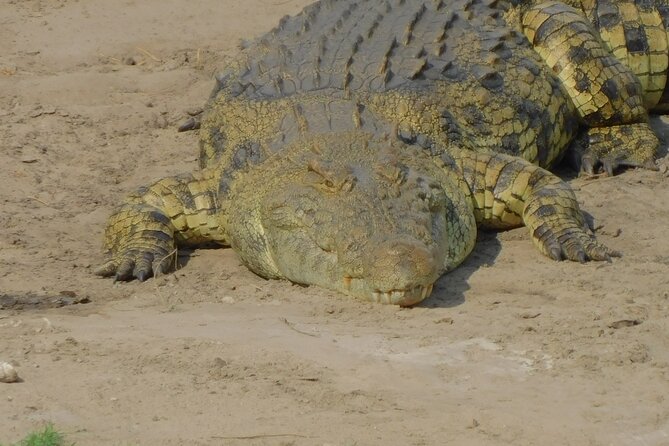
- Lake Ihema in the south, where hippos and crocodiles are part of the wildlife story
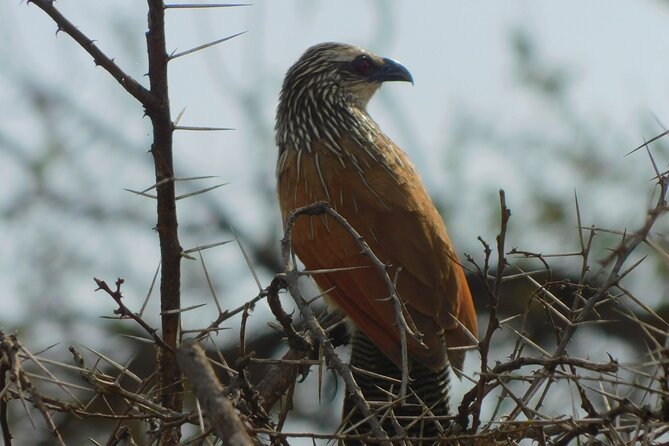
- Birding potential, including the rare shoebill stork (if luck and timing line up)
- Guide-led game drives, which makes a big difference for spotting animals and understanding what you are seeing
Why Akagera National Park works so well as a one-day plan from Kigali
Akagera National Park sits in eastern Rwanda, hugging the border area with Tanzania. That location matters because it helps explain the park’s wide range of scenery: woodlands, swamps, low mountains, and savannah. In one day, you are not just driving through one kind of scenery, you are moving through different animal “worlds,” which can boost your odds.
I like that the day is set up as a full safari focus. Most of your time is spent inside the park area during game drives, not bouncing around Rwanda’s towns. And if you are into animals beyond the usual poster species, Akagera is a strong bet, with plenty of birds too.
The “private” part is more than a sales word. It usually means your schedule is more flexible inside the day, and it gives your guide room to keep working when visibility changes or an animal moves.
Piecing together Kigali? These belong in the mix:
- Kigali City Tour
★ 5.0 · 452 reviews - Kigali: Walking Tour with a Local Guide
★ 4.9 · 234 reviews - One-day Akagera National Park Game Drive with a Choice 4×4
★ 5.0 · 105 reviews
The 5:30 am start, then how your 12 hours actually break down
The day starts at 5:30 am. You get early morning breakfast, then you drive to Akagera National Park. After that, your main block of time is spent on safari, with about 8 hours linked to the park experience.
Plan for a long day. Even if the driving is comfortable, you are looking at roughly 12 hours total. This is exactly why the tour asks for moderate physical fitness: you do not need to be an athlete, but you should be comfortable with early starts, some time in and out of the vehicle, and standing or shifting position during viewing.
You also get built-in basics that keep the day from feeling like logistics class. Bottled water, lunch, transport, and pickup and drop-off are included, plus taxes. You are not expected to solve meals or find your own driver, which is a big deal when your schedule is tight.
Akagera’s habitats: what to watch for during woodland, swamps, low hills, and savannah
Akagera is the kind of park that rewards patience because different habitats hold different wildlife. In woodlands, you are often looking for motion patterns: animals moving between cover, birds hopping along edges, and the small tells that an animal is near even if you cannot see it at first.
In swamps, think “water and edges.” This is where you can start spotting water-dependent animals and also get a different bird scene compared to open savannah. Low mountains and rolling terrain can also change your viewing, since animals may appear on slopes or along valleys where the light and sight lines behave differently.
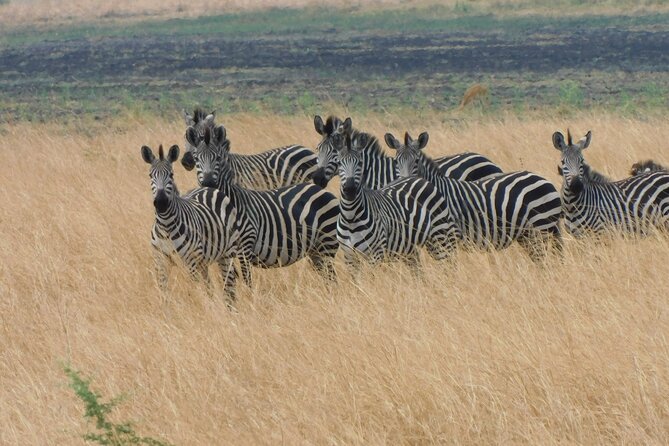
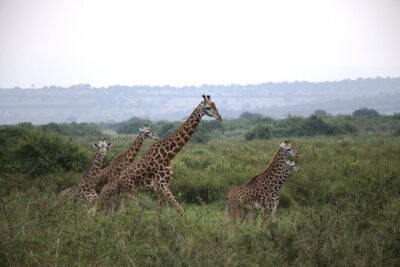
Then there is the open savannah, which is often the easiest place for classic sightings like zebras and giraffes. It also tends to be where you might catch larger mammals moving across ground that animals use as travel routes.
The key thing I want you to know: Akagera is varied, so your guide’s job is not just driving fast. It is reading the habitat and deciding where the day’s attention should go next.
Lake Ihema and the big-water targets, hippos and crocodiles
Akagera’s southern region includes Lake Ihema, and that is the standout water feature for this one-day safari. Lake Ihema is where you can see hippos and crocodiles, and it is also a place that can feel more dramatic because the wildlife is tied to the waterline.
If you are hoping for hippos, this is one of your best chances. Hippos often relate to time of day and water conditions, so arriving prepared to sit and scan helps. For crocodiles, you are usually looking for stillness that breaks only occasionally, plus attention to the edges where animals are easiest to see.
This is also a good reminder for expectations. You are not paying for a zoo guarantee. You are paying for a guide, transport, and a full day of searching in a park where animals are genuinely wild and can be difficult to spot.
A gentler pace out of Kigali:
- Private Full-day Kigali City Tour with Pickup and Lunch
★ 5.0 · 79 reviews - Kigali Walking Tour
★ 4.5 · 78 reviews - Kigali E-Bike City Tour with Breakfast
★ 4.9 · 73 reviews - Private 1 Day Akagera Big Five Safari with pick up and lunch.
★ 5.0 · 72 reviews
Wildlife you can realistically target in one day: zebras, giraffes, elephants, lions, and more
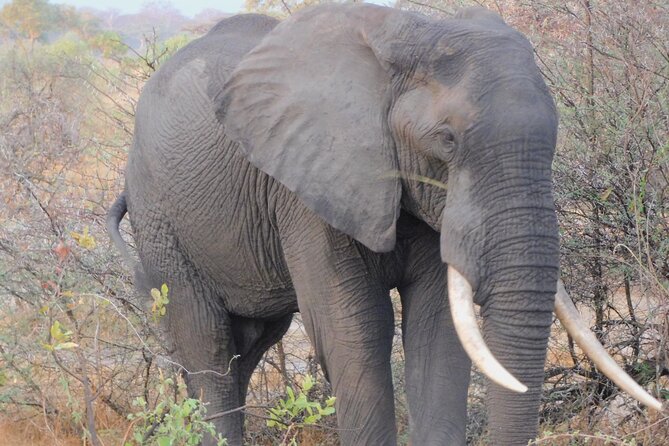
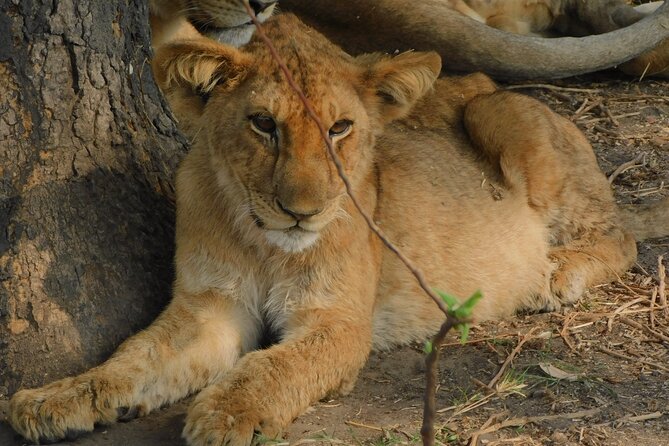
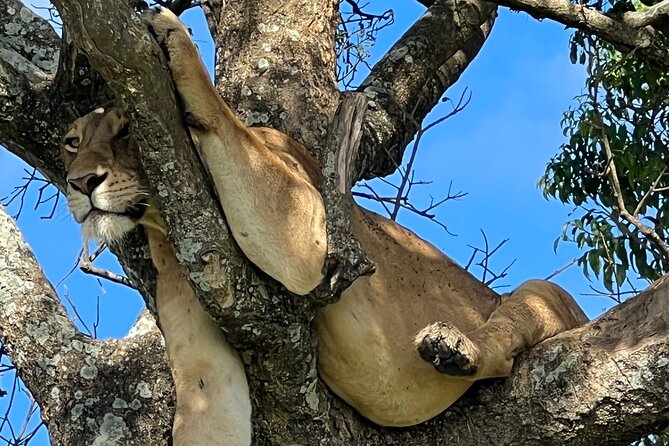
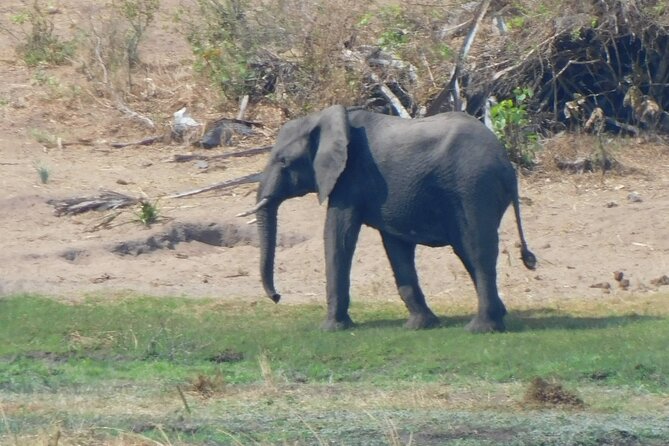
Akagera’s highlight list includes zebras, lions, elephants, and giraffes, plus lots of other animals. From the safari point of view, that is exactly what you want in a one-day format: a chance at both “big moment” animals and the in-between species that make the drive feel alive.
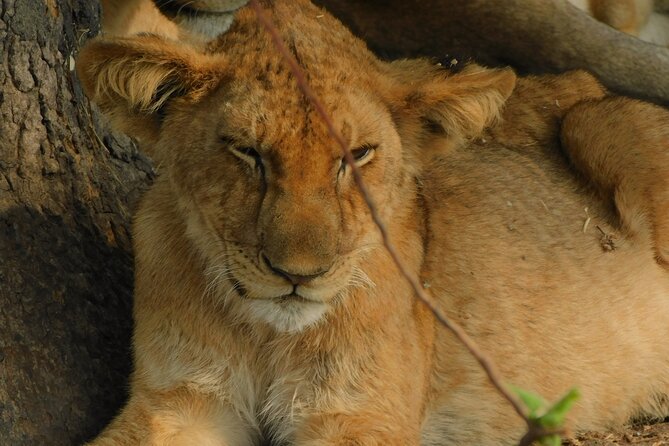
A few practical notes help you set your mindset. Lions, for example, may not be active in the same way throughout the day. There are times when they seem tucked away, so your best approach is to let your guide reposition you rather than guessing. Elephants can also be moving or hidden depending on season and terrain, so slow scanning beats sprinting after every rumor.
You may also encounter other wildlife that is not always on the top-five list in brochures. In this park, that kind of surprise is part of the fun. One-day safaris work best when you are okay with the day being about what you find, not what you scheduled.
If you are chasing a “Big Five” style outcome, the guidance here is simple: give your guide the priorities early, then stay flexible once you are on the road. A good guide will try to match your wish list to what the park is offering that day.
Birdwatching in Akagera: the shoebill stork and how to use bird time well
If birds are your thing, Akagera has a clear advantage: it is known for hundreds of bird species, including the rare shoebill stork. That is a tough bird to see anywhere, so this is one of those rare chances where birding becomes part of the safari story, not a side quest.
How do you make bird time work in a one-day setting? The trick is focusing on patience and your guide’s calls. When your guide spots the kind of habitat where shoebills are plausible, you need to slow down, get settled, and be ready to scan patiently.
Birds also show up differently than mammals. Instead of waiting for an obvious silhouette crossing the road, you may notice smaller signals first, like movement in reeds, calls from a distance, or a shape that only becomes clear when you stop moving.
If you are bringing binoculars, this is the day to use them. If you are not bringing binoculars, still keep a steady gaze and let your guide do the locating.
Lunch by the water and the comfort details you will feel more than you notice
Lunch is included, and it is often taken near the lake with a view. That matters more than it sounds. During a long day with early departure and game drives, a decent meal with scenery breaks up the effort and helps you keep energy up for the afternoon scanning.
You also have bottled water included. On a safari day, hydration is not optional. Even if you do not feel thirsty right away, you will scan longer and pay attention better when you are comfortable.
One more practical detail: because you are doing a full-day drive from Kigali into the park and back, vehicle comfort matters. A smooth, practical safari jeep makes the ride easier, and it also helps you stay calm and alert when your guide stops for sightings.
A small tip that fits this type of day: bring a light layer. Morning can feel cooler in early starts, and the car can swing between temperature swings as you drive.
Your guide can make or break the day, and the names you might hear
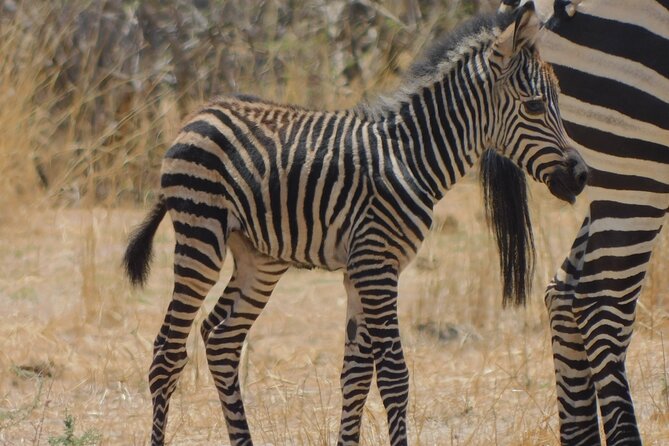
In this safari style, the guide is not just a driver who points. Your guide is the one who helps you spot animals, interpret what you are seeing, and decide where to spend your limited daylight.
The guides linked with this experience include Bagena, Zidane, Diddy, Fiston, and Taufique. People consistently describe them as attentive, personable, and focused on finding animals in the right spots. One theme is that they keep scanning for “hidden” wildlife that is easy to miss when you are new to safari spotting.
There is also a service-minded angle worth noting. In one case, a traveler was overcharged at the park, and the guide stayed in contact to help sort out a refund. That is not something you can plan on, but it shows the level of follow-through that can make you feel more secure when something goes sideways.
The biggest practical advice I would give you: be clear with your guide at the start about what you most want. If zebras and giraffes are your priorities, say so early. If you care about hippos and crocodiles, make that part of the plan too. Your day is private, so your priorities matter.
Price and value: what $400 per person gets you, and when it might feel pricey
This tour costs $400 per person. It is booked about 36 days in advance on average, so if you are traveling in a busy window, early planning helps.
Here is where the value calculation gets real. You are getting a guide, transport, pickup and drop-off, lunch, bottled water, and taxes. Those are not small add-ons for a one-day safari. You are also getting a mobile ticket, so you are not juggling paper confirmations.
What is not included is alcohol and entrance fees. This is the one spot where I recommend you slow down and confirm details before you go. With safaris, fee situations can vary, and you want clarity on what you pay on the day.
Is $400 a lot? It can be, especially if you are solo. But if you are splitting cost with a travel partner or you really want a private, guided full-day safari without dealing with rentals, it can feel like a good deal because most of the friction is handled for you.
Weather, wildlife timing, and how to set yourself up for success
This experience needs good weather. If it gets canceled due to poor weather, you will be offered a different date or get a full refund. That is important because wildlife viewing can be affected by rain and low visibility.
The start time helps with timing. Departing at 5:30 am means you are in the park early enough to catch animals when they are more likely to be moving and visible. It also gives you a full day to keep searching, instead of squeezing the safari into a short afternoon window.
Your best “action item” is to dress and pack for changing conditions. Bring sun protection, rain protection, and something warm for early hours. Even in a good weather day, you can go from morning cool to midday warmth quickly.
And set expectations around animal behavior. Lions and other larger mammals may not always be out and active when you expect. Your guide’s job is to read the park and keep trying different zones, and your job is to stay patient when sightings take a little longer than you want.
Should you book this one-day Akagera safari from Kigali?
Book it if you want a guided, private safari day with real variety in habitats, and you care about more than one type of wildlife. This is a smart fit for people short on time, birdwatchers who want a shot at shoebill stork, and anyone who prefers a guide doing the spotting and decision-making.
I would hesitate if you are price sensitive and traveling solo, since $400 per person can feel steep compared with shared tours. I would also double-check entrance fee details so there is no confusion once you arrive at the park.
If you like the idea of an early start, a full day of scanning, and a guide who keeps working to find animals, this one-day Akagera safari is a strong choice.
Recently reviewed from Kigali
- 1 Day Gorilla Trekking Safari in Rwanda Volcanoes National Park★ 5.0 · 3 reviews
- Banana Juice Making at a Local Community★ 4.5 · 3 reviews
- Kigali Intl Airport (KGL) – Private Luxury Roundtrip Transfer★ 5.0 · 3 reviews
- 5 Day Rwanda gorilla and Lake Kivu Safari★ 5.0 · 3 reviews
- 3-Day Rwanda Gorilla Safari★ 4.5 · 3 reviews
- Ntarama and Nyamata Genocide Memorial Day Tour★ 4.5 · 3 reviews
- From Kigali: 8 Hour Day-trip Lake Kivu Cruise Experience★ 4.5 · 3 reviews
- Kigali City Tour and Sightseeing★ 5.0 · 3 reviews
Akagera Safaris & Game Drives, compared.
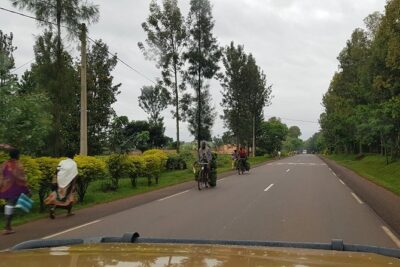
One-day Akagera National Park Game Drive with a Choice 4×4
Read our review →
Private 1 Day Akagera Big Five Safari with pick up and lunch.
Read our review →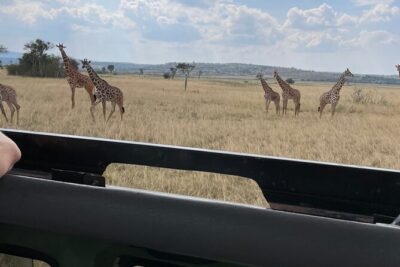
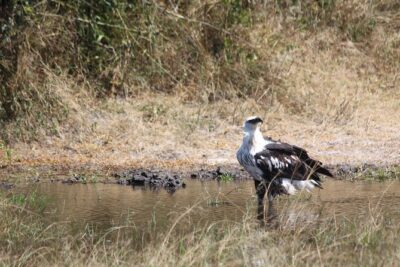
1 Day Safari to Akagera national park-Big5 Safari
Read our review →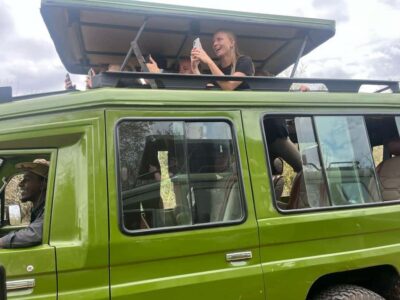
Cool Share Day Akagera Game Drive, Daily Depart, Boat Ride, Lunch
Read our review →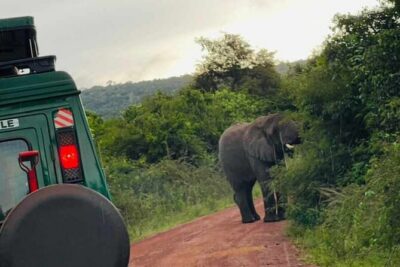
Full Day Akagera National Park Game Drive and Boat Safari
Read our review →Browse the lists this tour appears in