Reviewed · KIGALI TOURS
Banana Juice Making at a Local Community
What makes this course interesting is that you learn banana juice by doing it the village way, starting with green bananas and ending with the drink people share at weddings and parties. I love the hands-on work, especially the part where you help prepare bananas for ripening. I also love the human side of the day, the easy chats and warm welcome that make it feel like you’re visiting people, not buying a ticket.
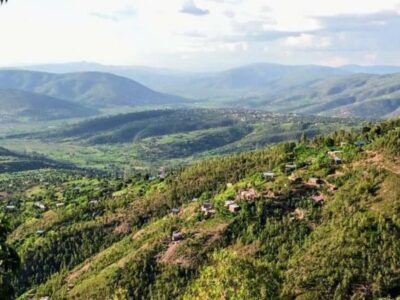
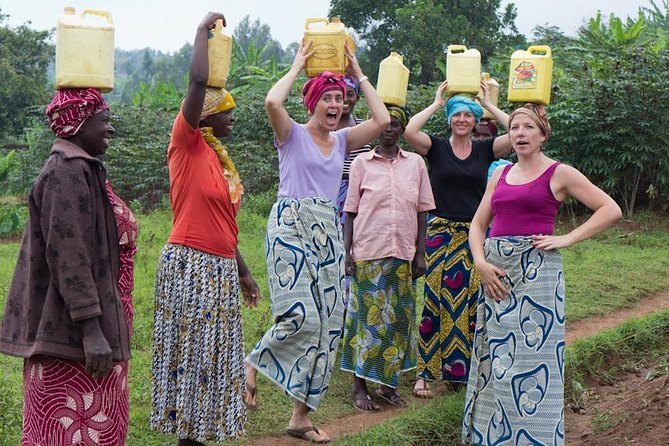
You’ll start in Gitarama with a proper meet-up at Azizi Life, then head out to a rural community where your host family welcomes you into their routine. I really like that you might be dressed in traditional attire and pulled into village tasks like fetching water or helping with food prep. You also get a real meal, often cassava and beans, with lively conversation at the table.
One possible drawback is that this is hands-on village work, so there’s moderate physical effort involved (digging, walking, and carrying). Another consideration is timing, because you need to book early enough for the community to prepare the bananas.
Key things you’ll notice right away
- Underground ripening step: you help bury green bananas so they’re ready later
- A host family day, not a performance: the welcome feels personal and unscripted
- Lunch with real local food: cassava and beans shows up, plus time to chat
- Hands-on juice-making: you stay involved once the bananas are ripe
- A chance to buy local crafts: you finish at an artisan market for souvenirs
- Small-group feel: private for your group, with group discounts available
Why banana juice here means more than tasting a drink
This is Rwanda food culture, not a cooking demo with a tidy workstation. Banana juice is the kind of drink you’ll hear about as a party favorite, including weddings. Here, you learn how the day starts before the juice exists.
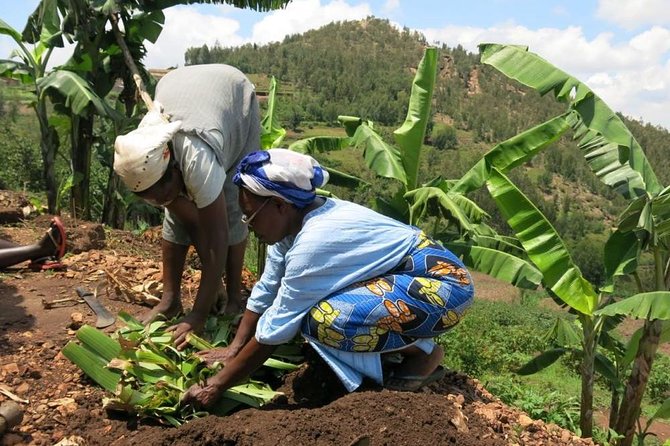
The core idea is simple, and you’ll feel it in your hands: first you pick green bananas, then you get them ready for ripening using the community method of burying them in the ground. That ripening step is the quiet spine of the whole experience. You’re not rushing past it, you’re helping with it, so you understand why the juice tastes the way it does when the bananas finally come up ripe.
What I like about this approach is that it’s practical. It tells you where ingredients come from and why timing matters. Even if you’re a casual foodie, you’ll leave knowing the process, not just the result.
Piecing together Kigali? These belong in the mix:
- Kigali City Tour
★ 5.0 · 452 reviews - Kigali: Walking Tour with a Local Guide
★ 4.9 · 234 reviews - One-day Akagera National Park Game Drive with a Choice 4×4
★ 5.0 · 105 reviews
Azizi Life in Gitarama, then out to the rural community
The day begins at Azizi Life, in Gitarama, meeting near NR1. You get a briefing at the center, then you depart together for the rural area where the hosts live and work. From Muhanga (Gitarama) Town, round-trip transport is included, so you’re not piecing together local rides for the main part of the day.
The small logistics point that matters: this is a full half-day to most of a day experience, around 5 to 8 hours. That means you’ll want to treat it as the main activity, not something you squeeze between other plans.
Once you arrive, you’re welcomed by artisans and the family who will host you. This is where the tone changes from tourist logistics to community rhythm. You’re given space to ask questions, and you’re also in a position where you can expect them to ask about your life back home. That back-and-forth is part of the value. It’s how you get beyond simple facts and understand everyday realities.
Green bananas, a hole in the ground, and village work that feels real
The first big work block is all about preparing the bananas. You’ll cut and collect green bananas, then help dig a hole in the ground to bury them for ripening. It’s not complicated work, but it is physical in the way rural work is physical. You’re using muscle, not just watching.
After the banana prep, the schedule shifts into supporting village tasks. Depending on the day, you might help fetch water or continue with food preparation. This is a good moment to slow down, observe, and ask questions as you go. If you’re the type who asks questions only after the activity ends, try asking while you work. People often explain things more easily that way.
One more practical note: this part of the day is outdoors, and the work style is cooperative. Wear clothes you feel good getting dusty. Bring a light layer if mornings or late afternoons feel cool. And if you’re sensitive to bending and digging, pace yourself.
Lunch with cassava and beans, and conversations that go beyond food
After the morning work, you sit down for a traditional lunch with your hosts. Cassava and beans are listed as an example of what you might eat, and the important part is that it’s served by the family, as part of their daily life.
Lunch isn’t just fuel. It’s also the moment when you can get the story behind the routine. People in the family may ask you about your home country, and you’ll probably find yourself answering more than just food questions. How people live, what work looks like, what celebrations are like, those themes tend to come up fast when you share a table.
I also like that this lunch includes time. It’s not a quick bite and run. When you have an hour or so to eat and talk, you learn the names of things, the rhythms of the day, and the difference between what sounds interesting in theory and what matters in real life.
If you have dietary restrictions, the tour data doesn’t specify customization. That doesn’t mean you can’t ask, but you should plan for the possibility that your meal will reflect what the community serves.
A gentler pace out of Kigali:
- Private Full-day Kigali City Tour with Pickup and Lunch
★ 5.0 · 79 reviews - Kigali Walking Tour
★ 4.5 · 78 reviews - Kigali E-Bike City Tour with Breakfast
★ 4.9 · 73 reviews - Private 1 Day Akagera Big Five Safari with pick up and lunch.
★ 5.0 · 72 reviews
From ripe bananas to the juice you’ll actually remember
Once lunch is done, you dig up the ripe bananas and move into the juice-making process. This is the part you paid for, but it lands differently because you already helped with the earlier step. You’re not seeing ingredients arrive magically. You know what happened to those bananas while they were underground.
The juice-making part is hands-on, led by the day’s guide and the host family. You’ll learn the method used in the community and you’ll understand that this drink is the kind of food tradition people share for celebrations, not just a beverage for tourists.
In the best moments, the day doesn’t end quietly. One review described dancing and laughter at the end, and it matches the general feel of a community-hosted day. When the atmosphere is light and the work is done, people often celebrate together. If you’re shy, don’t worry. You can join by watching first, and then deciding if you want to step in.
At the same time, keep it practical. This is still a workday, even if it’s a fun one. You’ll likely spend time standing, moving, and using your hands. If you’re traveling with mobility limits, you should be realistic about the digging and walking.
Artisan market stop: souvenirs with context, not just clutter
After the juice experience, you get a chance to shop at a local artisan market. This stop is valuable because it’s connected to the same community economy you spent the day learning from. You’re not only taking home food memories, you’re taking home objects made in the region.
What to do here is simple: browse with patience. Ask questions about how items are made and what materials are used. Even if you only buy one or two things, the conversation adds meaning and keeps you from turning the market into a fast shopping sprint.
Souvenir shopping can get sketchy in some places, so I like that this one is framed as part of the day and not a separate, rushed add-on. Still, use your normal travel instincts. Compare prices if you see the same items in different stalls, and keep an eye on how sturdy something is if you’re bringing it back home.
Price and value: is $90 a fair trade for a 5 to 8 hour day?
At $90.00 per person, this isn’t the cheapest “try local food” activity. But it also isn’t just tasting. You’re doing three meaningful things: preparing bananas for ripening, helping with village tasks that support daily life, and learning a hands-on drink-making process, all with lunch and transport.
Here’s what you get for your money:
- A local guide
- Lunch
- Bottled water
- Round-trip transport from Muhanga (Gitarama) Town to the village and back
- Local taxes and gratuities included
Two value notes you should care about:
1) The hands-on time is the selling point. If you enjoy learning by doing, this price makes more sense.
2) Transport inside the region is included. In many places, that hidden cost is what makes day experiences feel expensive later. Here, the main transfer is covered.
You also get group discounts, and the tour is private for your group, which can make it better if you’re traveling with someone and can split costs. The minimum of 2 people per booking matters here, since the experience needs a small baseline group size to run.
Logistics that affect your day, like meeting point and timing
Your meeting point is NR1 in Gitarama, Rwanda, and the activity ends back at the meeting point. The listing says you’re near public transportation, which is helpful if you’re managing your own rides.
One timing detail can surprise people: you’re required to book at least 96 hours ahead so the community has enough time to prepare the bananas. If you book sooner, the supplier may ask you to reschedule. That’s not a dealbreaker, but it does mean you can’t always rely on a last-minute spontaneous booking.
After you book, you should get confirmation within 48 hours, subject to availability. If your plans are tight, aim to book with buffer time so you don’t run into an availability problem.
On the day itself, expect a full chunk of time, about 5 to 8 hours. Plan your other activities accordingly. Give yourself a calm start, and don’t schedule anything that requires being somewhere immediately afterward.
Who should book this banana juice day, and who should think twice
This experience is a great match if you:
- Want a culture day you can’t get from a restaurant
- Prefer hands-on learning over watching from the sidelines
- Enjoy conversation with a host family
- Like food traditions that connect to real celebrations
It can be a weaker match if you:
- Want a mostly seated, low-effort activity
- Have strong mobility limits, since digging and walking are part of the day
- Need strict dietary accommodations, since the meal is described in general terms
It also fits well for couples and small groups. The private format can feel calmer than big bus tours, and it gives you more space to ask questions without a crowd pressure.
If you’re a family traveler, check the child rate condition carefully. The tour data says child pricing applies only when sharing with 2 paying adults.
FAQ
FAQ
How long does the banana juice making experience take?
It runs about 5 to 8 hours.
What’s included in the $90 per person price?
The price includes a local guide, lunch, bottled water, local taxes, gratuities, and round-trip transport from Muhanga (Gitarama) Town to the village and back.
Is transportation from Kigali included?
Transportation to and from Muhanga (Gitarama) Town is not included, but it can be arranged for an additional payment. The round-trip transfer from Muhanga to the village is included.
Where does the experience start and end?
It starts at NR1, Gitarama, Rwanda and ends back at the meeting point.
Do I need to book with other people?
A minimum of 2 people per booking is required. The experience is also private for your group once it runs.
What physical condition do I need?
The experience is listed as requiring moderate physical fitness level, since you’ll be participating in activities like digging and helping with village tasks.
Should you book this banana juice day?
If you like hands-on cultural learning and you’re comfortable with a moderate amount of physical work, I’d book it. The real value is that you’re not just tasting banana juice, you’re part of the process from green bananas to the final drink, with lunch and conversation included. If you hate outdoor digging or you want a low-effort day, you may find it harder than you expected.
Recently reviewed from Kigali
- 1 Day Gorilla Trekking Safari in Rwanda Volcanoes National Park★ 5.0 · 3 reviews
- Kigali Intl Airport (KGL) – Private Luxury Roundtrip Transfer★ 5.0 · 3 reviews
- 5 Day Rwanda gorilla and Lake Kivu Safari★ 5.0 · 3 reviews
- 3-Day Rwanda Gorilla Safari★ 4.5 · 3 reviews
- From Kigali: 8 Hour Day-trip Lake Kivu Cruise Experience★ 4.5 · 3 reviews
- Ntarama and Nyamata Genocide Memorial Day Tour★ 4.5 · 3 reviews
- Kigali City Tour and Sightseeing★ 5.0 · 3 reviews
- Home staying experience★ 5.0 · 3 reviews
Kigali Tours, compared.
One-day Akagera National Park Game Drive with a Choice 4×4
Read our review →
Private Full-day Kigali City Tour with Pickup and Lunch
Read our review →

Private 1 Day Akagera Big Five Safari with pick up and lunch.
Read our review →