Reviewed · TOURS
Ntarama and Nyamata Genocide Memorial Day Tour
This experience is interesting because it’s built around two of Rwanda’s best-known genocide memorial sites, Ntarama Church and Nyamata Church, and a guide helps you connect what you see to what happened in 1994. You’ll spend a full day in the Kigali area with time to absorb the stories tied to the people who sought refuge inside these church spaces.
Two things I like a lot are the private format and the included local lunch. A private guide means you can ask questions at your own pace, and the meal keeps the day from feeling like you’re racing from one somber stop to the next.
One consideration is that this is emotionally heavy material. Plan for a serious day, especially since the visits themselves are focused on loss, not sightseeing.
Key things to know before you go
- Private guide support at both memorials helps you understand what you’re looking at and what it meant for the people trapped there
- Hotel pickup and drop-off in Kigali makes the day simpler, especially with an early start
- Free entry at both sites plus lunch and bottled water means fewer “surprise” expenses
- A tight 7 hour schedule keeps you from feeling stuck, while still giving each church time to land
- Guides may be local Rwandans. In one guest write-up, Joana was described as feeling like family, which is the kind of human touch you’ll appreciate on a day like this
Why Ntarama and Nyamata are the core of this memorial day
If you’re trying to understand Rwanda in a way that goes beyond facts on a screen, this kind of tour works because it’s anchored in real places. Ntarama and Nyamata are churches where people took refuge during the genocide, and the memorial experience there is designed around witness, memory, and explanation.
The tour also doesn’t treat the day as a checklist. You’ll get context for the causes and consequences of the genocide, then you’ll see how that history translates into what remains today: the stories and physical tributes tied to the April to July 1994 period.
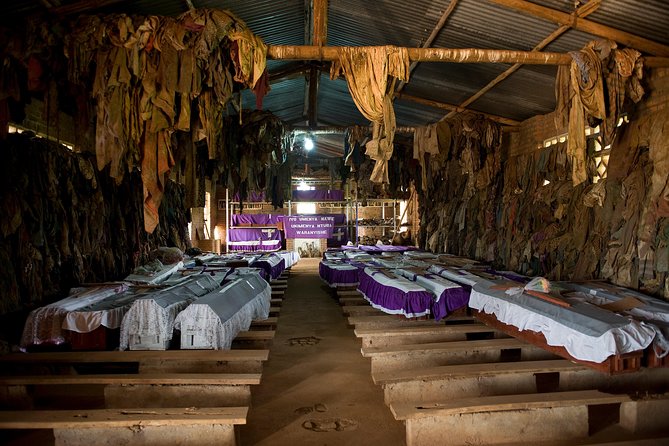
One detail that struck me from the feedback is how visibly personal the memorial elements can be. At Nyamata, for example, there are rows and rows of clothing belonging to those killed, including children’s clothes. That’s not background noise. It’s part of the message, and it’s why you should go in with a calm mindset.
Also, don’t underestimate how the two sites work together. Ntarama gives you one slice of the story, Nyamata gives you another, and hearing the comparison through one guiding voice can make the overall picture clearer.
Piecing together Kigali? These belong in the mix:
- Kigali City Tour
★ 5.0 · 452 reviews - Kigali: Walking Tour with a Local Guide
★ 4.9 · 234 reviews - One-day Akagera National Park Game Drive with a Choice 4×4
★ 5.0 · 105 reviews
The 8:00 am start, and how to keep the day feeling doable
This tour runs about 7 hours, starting at 8:00 am. An early start matters in Kigali because it gives you daylight for travel and keeps the schedule from dragging.
In practice, the flow is straightforward. You’ll be picked up from your Kigali hotel, driven to Ntarama, then driven to Nyamata. Each church stop is allotted around 1 hour, and the tour keeps moving at a respectful, steady pace.
I like this timing because it avoids the two extremes people sometimes hit on memorial days. You don’t get shoved through in 20 minutes, but you also don’t spend the whole day in a single space until your brain goes numb. For a topic like this, balance is everything.
One more planning tip: eat a real breakfast before pickup if you can. Lunch is included, but breakfast helps you stay comfortable during the quiet stretches. Bring a light layer too. Even in a short day, memorial areas can feel cooler or still depending on the time of year.
Ntarama Church: what your hour is likely to focus on
At Ntarama, you’ll meet your local guide after arriving at the memorial. The idea is that you’re not just looking at a church building and moving on. You’re spending time with someone who can connect what you see to the larger events of 1994.
The stop is set for about an hour, with admission included at no extra charge. That matters because it lets you focus on what your guide is explaining rather than worrying about side costs or ticket confusion.
What should you expect emotionally? This is a refuge story, so the tone tends to be reflective and grounded. You’ll likely hear what happened in and around the church during the genocide, and how survivors and victims are remembered through the memorial.
You may also notice that memorial spaces often feel less like museums and more like places where people come to pay respect. If you’re sensitive to sound, crowds, or sudden movement, keep your expectations low. This is a place meant for quiet attention.
A small practical win: having a driver-guide setup means your day doesn’t become a transportation puzzle. You’ll have one consistent team handling driving, timing, and transfers while you concentrate on the memorial experience itself.
Nyamata Church: where the scale hits hardest
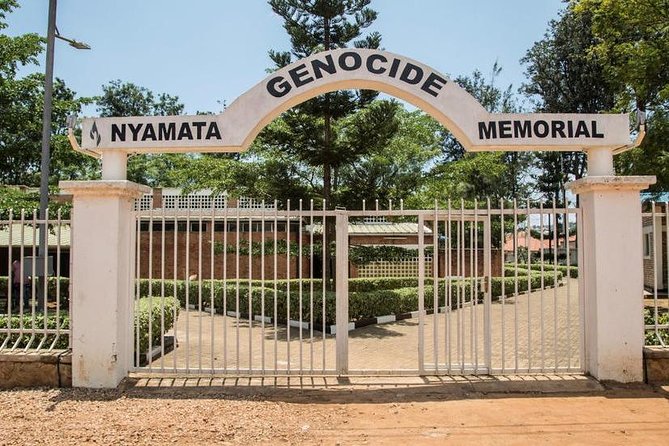
Nyamata Church is the second major stop, also scheduled for about an hour and also included with free admission. This site is widely known for the tragedy that unfolded there, and your guide’s job is to translate that history into something you can process.
One guest highlighted that Nyamata alone saw 45,000 people killed, with 10,000 connected to the church. That’s a staggering number, and it gives you a sense of why the memorial can feel overwhelming even if you know the broad facts going in.
Another specific detail shared in the feedback is the display of clothing, including children’s clothes. You should take that in slowly. If you try to power through, you’ll miss what the objects are meant to communicate: not just numbers, but individual lives.
This stop also tends to land strongly because you’re not watching a reenactment. You’re seeing what remains, plus hearing stories about refuge and loss during April to July 1994. The contrast between ordinary clothing and unimaginable circumstances is often what makes this part of the day stick with people.
If you want to make the hour count, ask your guide what to notice first. On days like this, there’s often a difference between seeing the memorial and understanding the memorial. A good guide can help you do both without turning it into a rushed lecture.
A gentler pace out of Kigali:
- Private Full-day Kigali City Tour with Pickup and Lunch
★ 5.0 · 79 reviews - Kigali Walking Tour
★ 4.5 · 78 reviews - Kigali E-Bike City Tour with Breakfast
★ 4.9 · 73 reviews - Private 1 Day Akagera Big Five Safari with pick up and lunch.
★ 5.0 · 72 reviews
Private guide plus lunch: the value beyond transportation
What makes this tour feel worth it is that it’s not only about getting you from A to B. It includes the human layer that turns a memorial visit into a meaningful experience.
You get a local guide at each stop, plus bottled water and a local Rwandan lunch during the day. That meal matters more than you might think. After emotionally intense sights, food gives your body a reset and gives your mind a break from the subject matter for a short while.
In one guest experience, the organization, Judith Safaris, and the guide Joana were singled out for professionalism and warmth. Even if your guide is different, that kind of tone is exactly what you want on a day like this. You’re paying for more than driving. You’re paying for someone who can answer your questions with care.
The private format helps too. Since this is a private tour, it’s only your group, not a mixed crowd. That makes it easier to move at your preferred pace, pause if something lands emotionally, and ask for clarification without worrying about time pressure from strangers.
And yes, the practical details do add up: hotel pickup and drop-off, private transportation, and all fees and taxes included. Less friction means you can actually be present.
Price in Kigali: is $850.34 per person worth it?
Let’s talk money clearly. The listed price is $850.34 per person for a private day tour from Kigali. That’s not a budget price, and you should judge it on what you’re getting, not just the number.
Here’s the value case:
- It’s private, not a shared coach experience
- You get round-trip hotel transfers and private transportation
- You receive a local guide for both memorial stops
- Lunch is included
- Bottled water and all fees and taxes are covered
- Admission at the memorials is free, so you’re not adding site costs
Also, the tour is often booked ahead, with an average booking window of 109 days in advance. That can be a sign of demand, and it’s usually easier to lock in the day and the guide when you plan early.
If you’re traveling solo or as a small group, the per-person cost can still feel steep, but private days often come out that way. If you want a tour where you can ask questions and go at your own pace through two emotionally intense sites, this price is basically buying time, guidance, and comfort.
If you’re very budget-focused, you might choose something else. But if the goal is a calmer, private, guided memorial experience, the inclusions help justify the cost.
Getting the most from Ntarama and Nyamata (and feeling steady)
A day focused on genocide memorials asks for a different mindset than a typical sightseeing day. Here are the practical things I’d do to make it go smoothly.
First, plan your clothes and comfort for a full, mostly seated and standing day. Wear something comfortable, and bring a light layer. You’ll spend time inside or near memorial spaces, and conditions can shift.
Second, pace your questions. With a private guide, you can ask as you go, but don’t ask everything at once. If you take a moment after each stop, you’ll often get better answers because you’re asking with fresh attention.
Third, keep your phone behavior simple. You’ll likely want photos at some point, but memorial spaces often work better with restraint. If you do take pictures, keep it respectful and focus on what you can learn from what’s there.
Fourth, use the lunch break to reset. Since lunch is included, you don’t need to hunt for food under stress. Eat, breathe, and then return ready for the second memorial with a clearer head.
Finally, accept that emotions may rise. That’s not a flaw in the tour. It’s the point of why the memorial is structured as it is.
Who this tour suits best in Rwanda
This is ideal if you want a private, guided memorial day and you prefer clarity over guesswork. It also suits you if you want someone to help connect what happened between April and July 1994 to what the memorials represent today.
It’s also a good fit if you’re staying in Kigali and you don’t want to manage transport between sites. The hotel pickup and drop-off remove a lot of hassle.
This may not be the best choice if you feel overwhelmed by emotional settings and prefer lighter, purely visual experiences. On a day like this, you’re going to sit with stories tied to genocide, refuge, and loss.
If you’re on a first trip to Rwanda and you want one guided day that gives you context you can carry with you, this tour can be a strong anchor.
Should you book this Ntarama and Nyamata memorial day tour?
I’d recommend booking if you want a respectful, guided visit to two key genocide memorial sites, with the comfort of hotel pickup, included lunch, and free admission. The private setup is a real benefit here because it gives you time and space to ask questions and process what you see.
I’d hesitate only if you know you’re not ready for emotionally heavy content. This isn’t a casual history stop, and your day will be shaped by what the memorials hold.
If you do book, plan ahead. With the tour often booked well in advance, locking in your date early helps you get the slot that fits your Rwanda schedule.
FAQ
How long is the Ntarama and Nyamata Genocide Memorial Day Tour?
The tour lasts about 7 hours.
What time does the tour start?
It starts at 8:00 am.
Is lunch included?
Yes, a local Rwandan lunch is included.
Are admission tickets included for Ntarama and Nyamata?
Admission tickets are free, and the tour includes all fees and taxes.
Do I get hotel pickup and drop-off?
Yes, hotel pickup and drop-off are included, with private transportation for the day.
Is this a private tour or a shared group tour?
It is a private tour, so only your group participates.
What do I do during each memorial stop?
You visit Ntarama Church and Nyamata Church, and you meet a local guide who helps explain the history connected to what happened in 1994.
Is bottled water provided?
Yes, bottled water is included.
Where is the meeting point?
The tour notes that the meeting point is near public transportation, and your confirmation is provided at booking time.
Can I get a full refund if I cancel?
Yes. Free cancellation is allowed up to 24 hours before the experience start time for a full refund.
Recently reviewed from Kigali
- 1 Day Gorilla Trekking Safari in Rwanda Volcanoes National Park★ 5.0 · 3 reviews
- Kigali Intl Airport (KGL) – Private Luxury Roundtrip Transfer★ 5.0 · 3 reviews
- Banana Juice Making at a Local Community★ 4.5 · 3 reviews
- 5 Day Rwanda gorilla and Lake Kivu Safari★ 5.0 · 3 reviews
- 3-Day Rwanda Gorilla Safari★ 4.5 · 3 reviews
- From Kigali: 8 Hour Day-trip Lake Kivu Cruise Experience★ 4.5 · 3 reviews
- Home staying experience★ 5.0 · 3 reviews
- Kigali City Tour and Sightseeing★ 5.0 · 3 reviews
Tours, compared.
Private Full-day Kigali City Tour with Pickup and Lunch
Read our review →
Mount Kigali and Cultural Village Tour with Snacks
Read our review →