Reviewed · KIGALI TOURS
Kigali: Traditional Carpet Weaving (Ikirago) + amazing views
Ikirago weaving in Kigali is interesting because it lets you learn a craft the slow, real way, with your hands doing the work instead of just watching. I love the hands-on guidance from local artisans, and I also like how the session starts with the meaning behind the patterns and colors, not just the technique. The only real drawback is time: if you’re extra careful or new to weaving, you may feel like 3 hours is a bit tight.
You’ll spend about 3 hours in a traditional weaving studio, and you’ll leave with your own mini carpet, ready to hang or use as a table mat. The instructor is English-speaking, so you’re not stuck guessing. One more consideration: there’s no hotel pick-up, so plan how you’ll get there and back on your own.
Key highlights at a glance
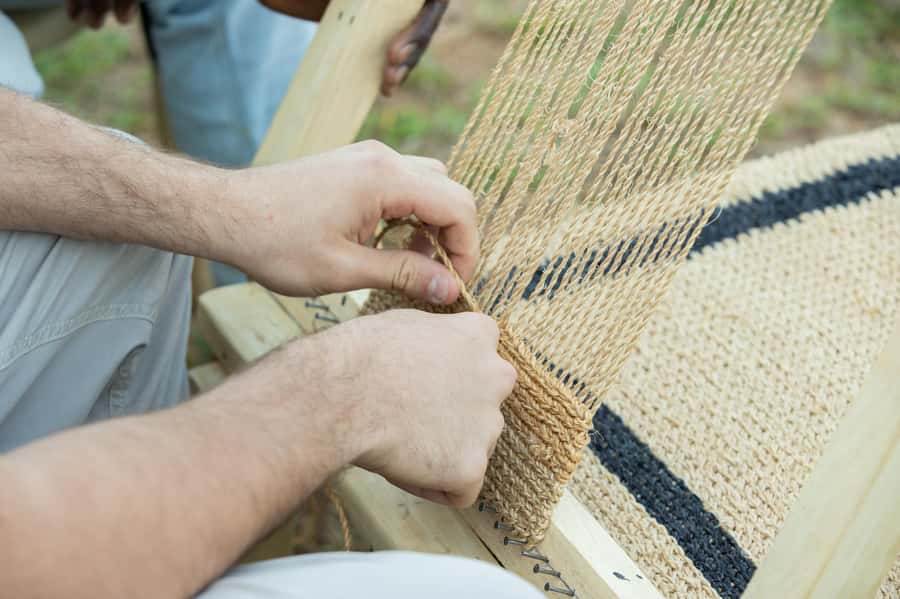
- Make an Ikirago mini carpet in sisal, with step-by-step help
- Learn the cultural stories behind the patterns and colors before you weave
- Weave in the real studio, not a classroom set up for tourists
- Get a studio tour at the end, with artisans working and more design examples
- Beginner friendly, no prior weaving skills needed
- Relaxed, rewarding pace, and you’ll feel proud using what you made
Why Ikirago weaving in Kigali feels more than a craft class
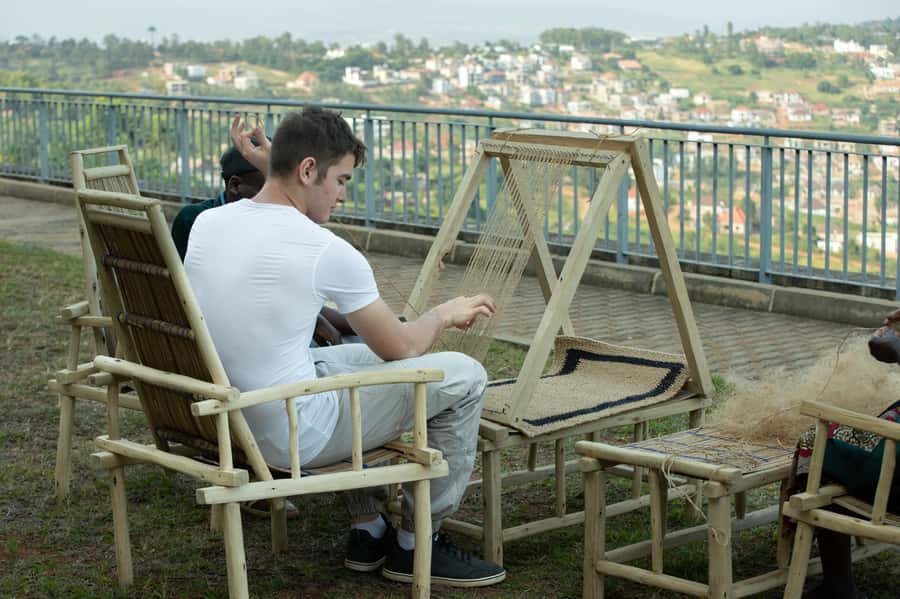
This is one of those experiences where you can actually measure progress. At first, you’re just learning how to handle the sisal fiber and follow the sequence. By the end, you’re holding something you can point to and say, I made that. That’s a big part of why I think it’s worth doing in Kigali, even if you’re only in town for a short stretch.
What I like most is that the workshop treats Ikirago as culture, not just decoration. You start with the history and importance of the carpets from a cultural point of view. Then you connect that to what you see in the patterns and colors. Only after that does the focus shift to technique. It changes how you weave, because the design choices feel purposeful instead of random.
Also, the setting matters. You’re in a traditional weaving studio where you can see artisans at work, and the space feels intimate enough that questions don’t feel like an interruption. The experience is English guided, so you can ask what the patterns mean as you go, not after the fact.
Piecing together Kigali? These belong in the mix:
- Kigali City Tour
★ 5.0 · 452 reviews - Kigali: Walking Tour with a Local Guide
★ 4.9 · 234 reviews - One-day Akagera National Park Game Drive with a Choice 4×4
★ 5.0 · 105 reviews
The 3-hour flow: from meanings to your own mini carpet
The workshop has a clear rhythm, and that makes it easier to enjoy.
1) Start with meaning: history, patterns, and color stories
Before you touch the weaving frame, you get oriented with the history and cultural importance of Ikirago carpets. You’ll learn about the stories behind the patterns and colors used in the pieces. This part is valuable because it gives context to what you later create. If you’ve ever taken an art class where you just copy a step without understanding why it exists, this is the opposite.
You’ll also get your bearings for what to pay attention to during the weaving portion. The goal is not perfection. The goal is understanding the logic of the craft.
2) Learn the basics: weaving with sisal fiber using traditional methods
Next comes the hands-on portion. You’ll learn the basics of weaving through a 3-hour experience using sisal fiber with traditional methods passed down over generations.
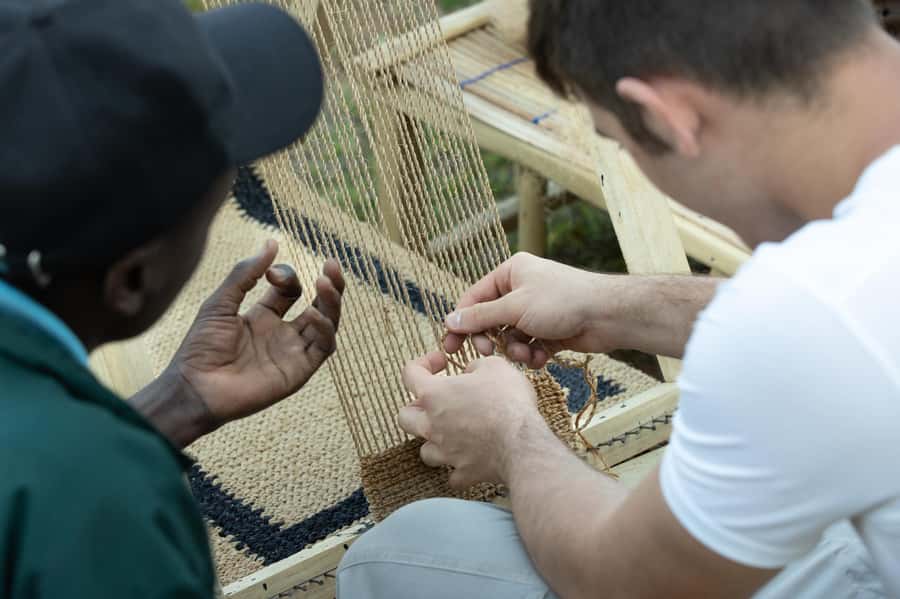
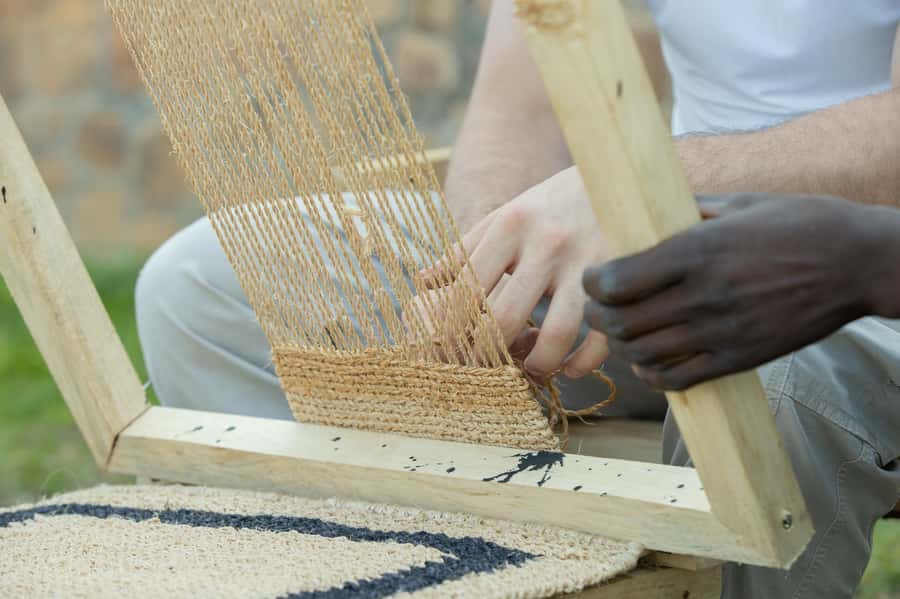
This part is beginner friendly. That’s important. You’re not expected to show up already knowing how tension works or how tight to keep the fibers. Instead, the artisans guide you while you practice the steps. They’re on hand at every stage to help you correct mistakes and move forward.
A gentler pace out of Kigali:
- Private Full-day Kigali City Tour with Pickup and Lunch
★ 5.0 · 79 reviews - Kigali Walking Tour
★ 4.5 · 78 reviews - Kigali E-Bike City Tour with Breakfast
★ 4.9 · 73 reviews - Private 1 Day Akagera Big Five Safari with pick up and lunch.
★ 5.0 · 72 reviews
3) Create your own mini Ikirago carpet
After the basics, you build your own mini carpet. You can shape it into something that works as a wall decoration or a table mat, and you’ll be able to put it to use in your own home however you like.
This is the moment where the workshop becomes personal. The mini scale is smart, because it lets you experience the craft without needing weeks to finish a full-size piece.
4) Finish with a studio tour and more designs
To wrap it up, you get a tour of the weaving studio. You’ll see the weavers in action and view additional designs and examples of work. I like this ending because it helps you look past your own piece and understand the bigger picture of what the artisans are producing.
It’s also a nice way to compare styles and patterns once you already understand the basics. Suddenly the designs stop looking like just decoration and start looking like decisions.
The weaving technique that makes Ikirago feel real
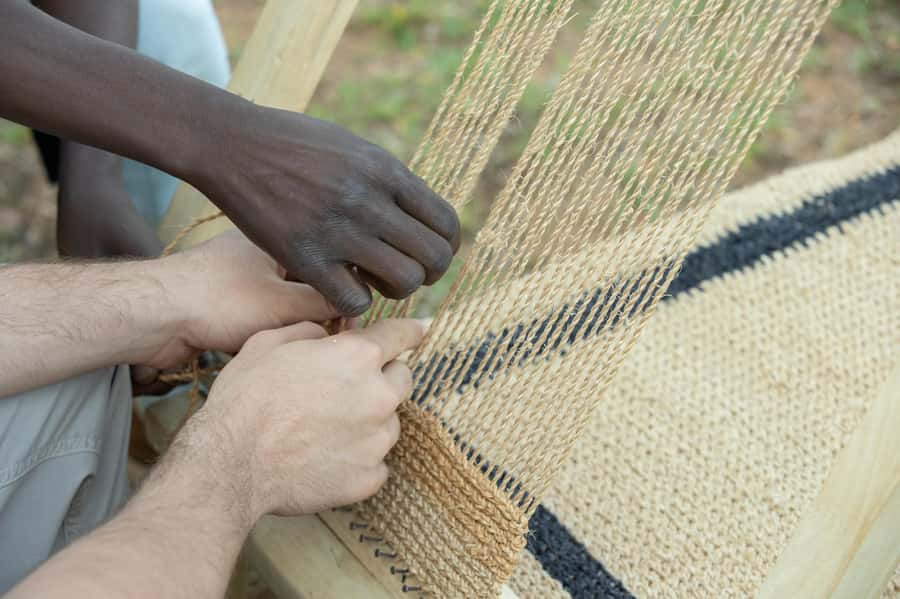
Ikirago weaving is not the kind of craft where you can fake it with speed. You need steady hands and patience, because weaving depends on rhythm and consistency. In this workshop, that reality becomes part of the fun.
Sisal fiber: natural, practical, and different from typical craft materials
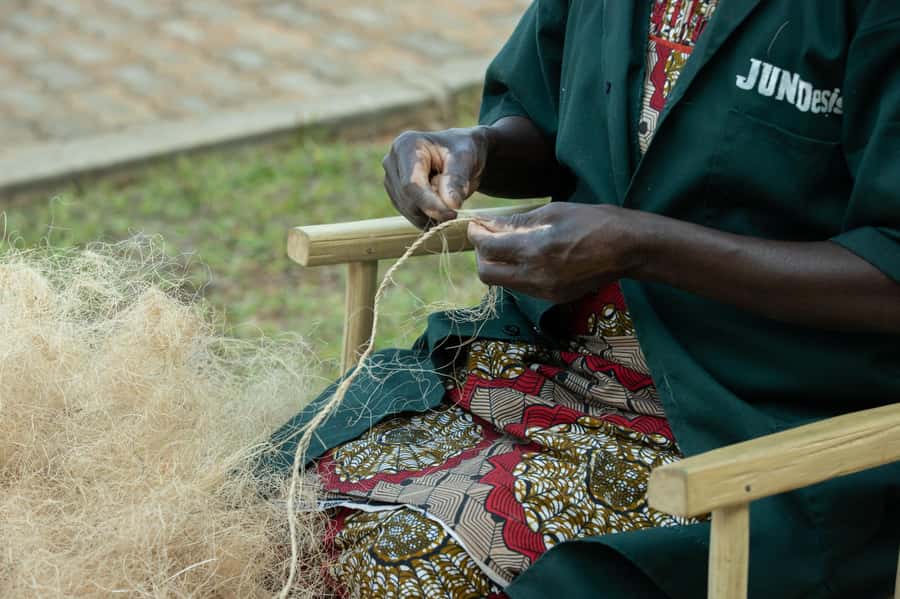
You work with sisal fiber. That’s a key detail because sisal behaves differently than softer yarns. It needs good handling. You’ll quickly learn what feels right for tension and how to keep the fiber aligned as you weave.
Even if you don’t know anything about weaving going in, the workshop is set up so you learn the right way to handle it. And because you’re guided by experienced local artisans, you’re not stuck with trial-and-error for hours.
Traditional methods: why they matter for your result
The workshop uses traditional methods handed down over generations. That matters because it affects how the finished piece looks and holds together. It also changes the experience for you, because you’re learning a craft system, not just a single trick.
In other words, you’re not only making something, you’re learning why the steps are ordered the way they are. That’s why people leave with more than a souvenir.
Amazing views, and how to plan your photos and downtime
The workshop is paired with amazing views, so you’re not stuck in a windowless studio. Even without knowing every angle of the space ahead of time, you can still make it work for you.
My practical advice: bring your camera and take a few shots right at the start and again later. Early photos catch the overall studio feel and the setting. Later photos are better for close-ups of the patterns you’re working on and your own progress.
Also, don’t treat the views like a quick stop between steps. You’re there to weave, so use the views during the natural breaks in the lesson, when artisans are checking your work or switching to a new stage.
What you take home, and what it’s actually good for
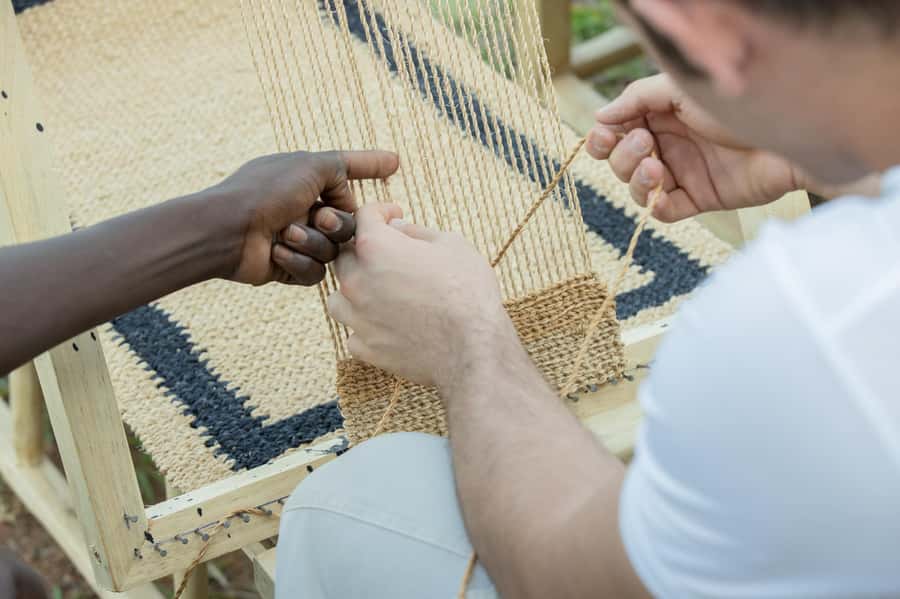
This is a big value point: you get to take home your own mini Ikirago carpet. You can use it as a wall hanging, table mat, or in another way that fits your style.
If you want something that looks good in a room without needing major setup, a wall hanging is the easiest option. If you want daily-life use, a table mat adds a texture and story element to meals and coffee time. The mini size is also friendly for travel, because it’s meant to be a take-home item from a short workshop.
One more thing I like: the sense of ownership. Because you made it yourself, you know what the colors and patterns represent in the craft context you learned at the start. That makes it feel more personal than a store-bought souvenir.
Price and value: is $30 worth it?
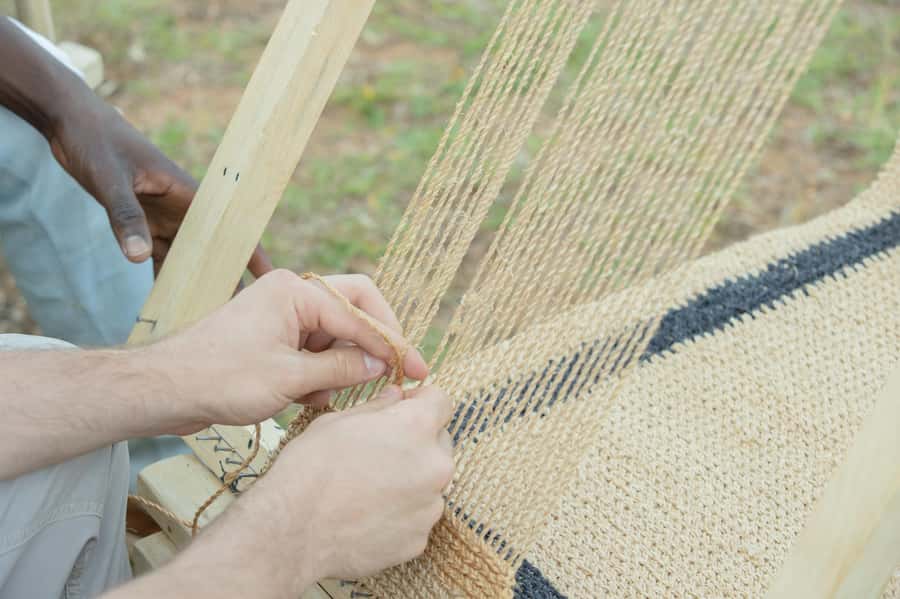
At $30 per person for about 3 hours, this workshop can be great value because you’re paying for four things at once:
- Guided instruction from experienced local artisans
- All necessary materials and tools
- Time in a real traditional weaving studio
- A finished mini Ikirago piece to take home
If you were to buy a finished woven item, you’d usually pay far more, and you’d miss the learning part. If you were to do a generic craft class, you’d often pay similarly but leave without a meaningful connection to the craft’s cultural background.
The only reason not to see it as value is if you’re the type who hates structured time or wants a more passive, sightseeing-focused day. But if you want to make something with your hands and learn the why behind it, $30 for 3 hours plus a take-home item makes sense.
Who this workshop is perfect for, and who should skip it
Best fit
You’ll probably love this if you:
- Want an authentic cultural activity in Kigali that’s not just a photo stop
- Like hands-on crafts where you learn by doing
- Enjoy meeting artisans and asking questions about patterns and meaning
- Want a small, transportable keepsake with real story behind it
I also think it suits people who like a relaxed pace. The experience tends to feel calm and supportive, with artisans guiding you step by step.
Consider skipping if
You might want to skip if you:
- Have very limited mobility or struggle with sitting and focused manual work for several hours
- Are bringing a child under 12, since it is not suitable for children under 12
- Are over 70, since it is not suitable for people over 70
Also, if you hate learning anything procedural, the early history and technique explanation may feel like too much structure. But the workshop is beginner friendly, so you can still enjoy it even if you’re new.
Practical tips so you start weaving fast
This is where you can make the day smoother.
Bring the right stuff
You should bring:
- A camera
- Food and drinks
I suggest bringing water and a light snack, because you’ll want steady energy while your hands work. The workshop provides materials and tools, so you don’t need to bring weaving supplies unless you really want to.
Dress for comfort
Wear comfortable clothing. You’ll likely be sitting for a while and using your hands with focus. If your clothes are restrictive or you get warm easily, you’ll enjoy it less.
Arrive early enough to avoid rushing
Plan to arrive at least 15 minutes early so the workshop can start on time. That matters more than it sounds, because the opening explanation sets up how you weave later.
Alcohol and strollers
Alcohol and drugs are not allowed. Baby strollers and baby carriages are not allowed either, so travel light.
Should you book Ikirago weaving in Kigali?
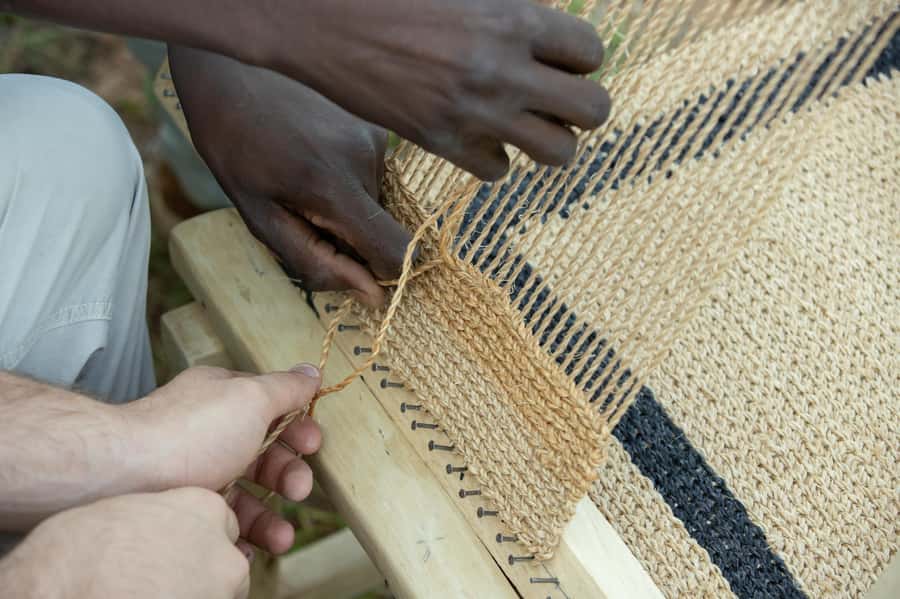
I’d book it if you want a genuine Kigali experience where you learn a craft, not just watch one. The strongest reasons to go are simple: you get real guidance from local artisans, you learn the meaning behind the patterns, and you leave with something you made yourself.
It’s also a good day to choose if you’re craving a calm, rewarding activity that feels both cultural and hands-on. The only caution I’d give is about time. If you’re very careful or you’re a total beginner to weaving, you might feel like you’d like more than 3 hours. If that sounds like you, still go, just don’t set expectations for a marathon level of detail.
FAQ
How long is the Ikirago weaving experience in Kigali?
It lasts about 3 hours.
What will I make, and can I take it home?
You’ll create a mini Ikirago carpet using sisal fiber, and you can take it home. It can be used as a wall hanging, a table mat, or for another purpose you prefer.
Is the workshop beginner friendly?
Yes. It’s beginner friendly, and no prior weaving knowledge is needed.
Is the instruction available in English?
Yes. The workshop is instructed in English.
Do I need hotel pick-up and drop-off?
No. Pick-up and drop-off at your hotel are not included, so you’ll need your own way to reach the workshop.
Is it suitable for children or older adults?
It is not suitable for children under 12, and it is also not suitable for people over 70.
Recently reviewed from Kigali
- 1 Day Gorilla Trekking Safari in Rwanda Volcanoes National Park★ 5.0 · 3 reviews
- Banana Juice Making at a Local Community★ 4.5 · 3 reviews
- Kigali Intl Airport (KGL) – Private Luxury Roundtrip Transfer★ 5.0 · 3 reviews
- 5 Day Rwanda gorilla and Lake Kivu Safari★ 5.0 · 3 reviews
- 3-Day Rwanda Gorilla Safari★ 4.5 · 3 reviews
- From Kigali: 8 Hour Day-trip Lake Kivu Cruise Experience★ 4.5 · 3 reviews
- Ntarama and Nyamata Genocide Memorial Day Tour★ 4.5 · 3 reviews
- Kigali City Tour and Sightseeing★ 5.0 · 3 reviews
Kigali Tours, compared.



One-day Akagera National Park Game Drive with a Choice 4×4
Read our review →
Private Full-day Kigali City Tour with Pickup and Lunch
Read our review →


Private 1 Day Akagera Big Five Safari with pick up and lunch.
Read our review →