Reviewed · KIGALI TOURS
Kigali Eco Park Bird Watching Experience
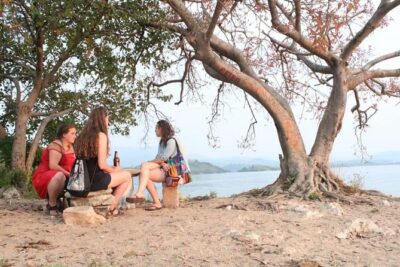
Nyandungu Eco Park is a cool idea because you can do serious birdwatching right at the edge of Kigali, yet still feel like you’ve stepped into real habitats. The big draw is the chance to spot up to 70 species, including both migratory and endemic birds.
I love that the experience is built around an expert guide, so your sightings turn into names, habits, and clear ID skills rather than random glimpses. I also like that binoculars are part of the package, which keeps the experience practical from start to finish.
One consideration: confirm what length you’ll get and what gear is included. A review noted the walk felt shorter than expected and mentioned binoculars could be treated differently, so it’s worth double-checking timing and equipment details before you go.
Key highlights you should care about
- Up to 70 species of birds, including migratory and endemic types
- Multiple habitats on the route, from forest areas to open savannahs
- Expert-led birding with guidance that helps you identify birds by more than just looks
- Good sighting opportunities for butterflies, flowers, and trees while you walk
- Flexible sessions with morning, afternoon, and evening options
- Simple packing list focused on shoes, sun protection, and water
Nyandungu Eco Park: city-close birding that still feels like nature

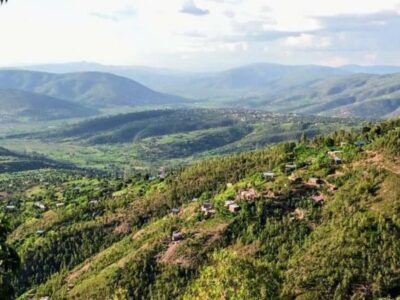
Kigali surprises people in the best way. You are not stuck doing birdwatching in some far-off wilderness day that eats your whole schedule. Instead, Nyandungu Eco Park gives you that rare mix of convenience and calm, where you can spend a focused 4 hours scanning trees, open ground, and edges where birds like to work the system.
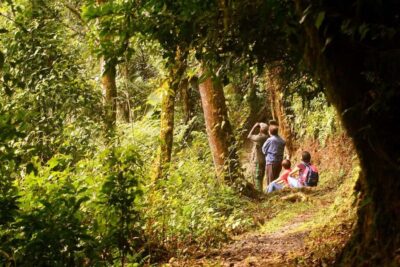
The promise is straightforward: you can spot up to 70 species during the session, including migratory visitors and Rwanda’s own endemic birds. That sounds like a marketing number, but the structure of the outing helps make it realistic. You are not just walking past plants and hoping for the best. You are guided through the park’s different habitat zones, so your “search area” changes as you go.
I also like how the experience is not only about birds. The park walk includes chances to notice butterflies, flowers, and trees, which makes the outing feel like a real ecosystem experience rather than a single-species mission.
Piecing together Kigali? These belong in the mix:
- Kigali City Tour
★ 5.0 · 452 reviews - Kigali: Walking Tour with a Local Guide
★ 4.9 · 234 reviews - One-day Akagera National Park Game Drive with a Choice 4×4
★ 5.0 · 105 reviews
The 4-hour flow: how to plan your time in Kigali

The official session is 4 hours, and that’s a sweet spot for a first birding outing. You get enough time for slow scanning, identification practice, and a few longer pauses to let birds settle down. If you do morning sessions, plan for early wake-up time. One review specifically called out how worth it was to get up for a 5am start.
Here’s what you can expect as the rhythm of the walk, based on how the park habitats are described and how the experience is led:
- You start with an orientation, then begin moving through the park with your guide.
- You shift between habitat types, so you are not repeating the same “look up at the same tree line” routine.
- You pause often to listen and scan. Birdwatching is as much about sound as sight, and your guide will help you use that.
- The session ends after you’ve had time to collect a good list and take photos of the birds you managed to identify.
Keep in mind one important practical note from a review: one booking reported a shorter on-the-ground experience than what was advertised. That does not mean it is typical, but it’s a strong reminder to treat schedules as fluid in the field. Birds move on bird time, and weather can change how long you actually spend walking and scanning.
Habitat hopping: forest edges to open savannahs

Nyandungu Eco Park is set up so you can experience more than one “bird world” in a single outing. The habitats mentioned include lush forests and open savannahs, which matter because birds respond to habitat like shoppers respond to aisles.
In practical terms, forest areas tend to favor birds that stay closer to cover, where you may see movement in branches or hear calls before you spot the bird itself. Open savannah stretches are different. They tend to support birds that use visibility for hunting, perching, or surveying, so your scanning strategy changes. You go from looking for subtle motion in foliage to watching for birds perched against clearer sightlines.
This habitat shifting is one of the biggest values of the tour. If you stay in only one habitat for the whole time, your “species ceiling” gets lower. With multiple habitats, your guide can point you toward where different birds are more likely to appear.
And yes, you also get plenty of non-bird wildlife moments. The experience includes noticing butterflies, flowers, and trees, which keeps the walk from turning into pure bird tunnel vision.
How the guide changes everything: hearing and identifying birds

A big reason people rate this outing so highly is the guide impact. The guides are there to help you actually identify what you see, not just count dots in the sky.
In the reviews, two names come up often: Tessy and Joseph. Tessy is described as kind, and also as someone who helped a group find over 40 bird types. Joseph is described as friendly and very well informed about birds. Another reviewer emphasized a guide who could identify birds from calls alone, which is exactly the kind of skill that turns a good nature walk into a real birding lesson.
You should expect your guide to do some combination of these during the session:
- Help you match bird calls to likely species groups
- Teach you how to read movement, posture, and habitat choice
- Use binoculars effectively, so your eyes learn how to track a bird without losing it
- Encourage patience during those long stretches when nothing seems to be happening (then suddenly a bird appears right where your guide wants you to look)
Here’s the part that matters for you: birdwatching gets easier fast when someone shows you the system. You start seeing patterns instead of random birds. That also makes the experience more satisfying, even if the weather is less perfect.
A gentler pace out of Kigali:
- Private Full-day Kigali City Tour with Pickup and Lunch
★ 5.0 · 79 reviews - Kigali Walking Tour
★ 4.5 · 78 reviews - Kigali E-Bike City Tour with Breakfast
★ 4.9 · 73 reviews - Private 1 Day Akagera Big Five Safari with pick up and lunch.
★ 5.0 · 72 reviews
Binoculars, photos, and the simple gear choices that pay off

The activity includes binoculars, so you should arrive ready to scan immediately. Still, treat the day like a field session. In birding, comfort equals focus, and focus equals more birds.
Bring:
- Comfortable shoes (you are walking in a park)
- Hat for sun protection
- Sunscreen
- Water
One review added a useful practical detail: plan to use your own bottle for water and avoid bringing plastic where it is not welcome. I can’t treat that as a universal rule for every visitor, but it is a smart, low-stress habit anywhere in a conservation area.
For photos, your best bet is to use bursts and be ready for quick moments. Birds are not cooperative, even when you have perfect timing. If you’re a casual photographer, don’t aim for perfect shots. Aim for proof of what you saw, then let your guide help with ID so you don’t leave with an unanswered bird mystery.
Rain, timing, and what affects your species count
Weather can make birdwatching either easy or challenging. One review noted that rain did not ruin the experience, and that it became a fascinating outing thanks to an especially capable guide. Rain can keep birds quieter, but it can also bring out different activity, especially around feeding and movement in cover.
Timing matters too. The tour is designed as a half-day experience, and birds often respond to light and temperature. Morning sessions, especially very early ones, can help because birds are often more active after cooler night air. If you have the option, a morning slot can be a strong way to maximize your chances.
Also, be realistic about the “up to 70 species” promise. That number is a ceiling, not a guarantee. Your personal list will depend on season, weather, and how birds behave that day. The good news is that the guide experience improves your odds, because you are not just scanning randomly. You are scanning with intent.
Price and value: is $50 a fair deal for 4 hours?

At $50 per person for about 4 hours, this tour sits in the practical range for a guided wildlife experience. Whether it is “worth it” depends on what you want from birdwatching.
If you want a quick park stroll with zero learning, you would probably feel underwhelmed. But if you want a guided session where someone helps you identify birds and understand the ecosystem, the price starts to make sense.
Here’s what you are paying for:
- An expert guide leading the walk and helping with identification
- Binoculars provided so you can actually participate
- A structured tour through different habitat areas, which increases the chance of seeing more types of birds within the time window
What you are not paying for also helps define value. Transport to the park is not included, and meals are not included. If you need to factor in getting to Nyandungu Eco Park, do the math before you book. But if you’re already in Kigali and can handle transit easily, $50 for a guided, equipment-supported wildlife session is a pretty solid deal.
The biggest “value risk” is information mismatch. One review complained about the actual duration and mentioned binocular handling. That’s not the usual goal of a good operator, so I’d treat it as a prompt to confirm the session details when you book.
Who should book this birdwatching session

This is a great fit if you:
- Want a beginner-friendly introduction to birdwatching without needing to know species upfront
- Enjoy calm, guided nature time with a clear learning component
- Like the idea of seeing birds plus other wildlife like butterflies and plants
- Are in Kigali for a short stay and want a focused activity that still feels authentic
It might be less ideal if you:
- Need a guaranteed, precise schedule to the minute (field timing can vary)
- Want a mostly self-guided walk with no identification help
- Are traveling with a tight budget that does not allow for transport add-ons
It’s also especially good for early risers. The morning option is clearly worth it for people who want prime bird activity, and getting up early can pay off quickly when your guide knows what to listen for and where to look.
Practical etiquette: how to act like a respectful wildlife visitor

You are walking through a place designed for conservation and natural habitat. That means your behavior directly affects both your experience and the birds’ behavior.
Here are simple rules that match what’s been suggested by visitors:
- Wear comfortable shoes and move steadily, not frantic or loud.
- Use sunscreen, hat, and water so you are not distracted by discomfort.
- Keep plastics minimal, and follow any on-site guidance about water and materials.
- When you hear a call, pause. Birding works best when you let the bird decide whether to show itself.
Your guide will set the tone, but you can help by keeping your movement calm and your attention on the guide cues.
Should you book? My take on the Kigali Eco Park birding experience

If your goal is guided birdwatching that helps you actually learn what you’re seeing, I think this is an excellent way to spend a 4-hour slice of Kigali time. The combination of up to 70 species, multiple habitats (forest and open savannah), and support from guides like Tessy and Joseph makes it feel like more than a casual walk.
I would book it if you are happy to:
- Walk in the park at a natural pace
- Bring the basics (shoes, hat, sunscreen, water)
- Accept that “up to 70 species” is a best-case target, not a guarantee
The only reason I’d pause is the one booking that flagged possible differences in real timing and binocular handling. If you’re the type who needs everything exactly as stated, do a quick confirm when you book. Otherwise, this is one of those Kigali activities that gives you real nature value without eating your entire day.
FAQ
Where is the Kigali Eco Park Bird Watching Experience located?
It takes place in Kigali Province, Rwanda, at Nyandungu Eco Park.
How long is the bird watching session?
The duration is 4 hours.
What is the price per person?
The price is $50 per person.
What is included in the tour?
The tour includes an expert guide, binoculars, and the bird watching session.
Are meals included?
No, meals are not included.
Is transport to Nyandungu Eco Park included?
No, transport to the park is not included.
What language is the live tour guide?
The live tour guide is in English.
What birds can I expect to see?
You can spot up to 70 species of birds, including migratory and endemic birds.
What should I bring for the tour?
Bring comfortable shoes, a hat, sunscreen, and water.
When can I book the session?
Sessions can be booked for morning, afternoon, and evening.
Recently reviewed from Kigali
- Kigali: Traditional Coffee Experience ( Bean to Brew)★ 5.0 · 6 reviews
- Kigali: Traditional Beading Experience★ 5.0 · 6 reviews
- Full day Mt. Bisoke hike★ 5.0 · 6 reviews
- From Kigali: 10 Hour Day-trip Rwanda Gorilla Trekking with Lunch★ 5.0 · 7 reviews
- 2 Days Rwanda Gorillas and Golden monkeys Tour★ 5.0 · 4 reviews
- Private 2 Days Volcano Golden Monkey and Bwindi Gorilla Trek★ 5.0 · 6 reviews
- 3 Day Rwanda to Uganda gorilla trekking Safari★ 5.0 · 5 reviews
- 3 Days Private Bwindi Gorillas and Volcanoes Golden Monkey Trek★ 5.0 · 4 reviews
Kigali Tours, compared.

One-day Akagera National Park Game Drive with a Choice 4×4
Read our review →
Private Full-day Kigali City Tour with Pickup and Lunch
Read our review →
Private 1 Day Akagera Big Five Safari with pick up and lunch.
Read our review →