Gorillas at dawn, Kigali by dinner.
The permit is the hard part: capped daily and booked out months ahead. Around it sit Akagera’s lions, Lake Kivu’s slow boats and a capital famous for how clean it keeps its streets.
In Rwanda, the gorilla permit comes first.
All 31 gorilla treks →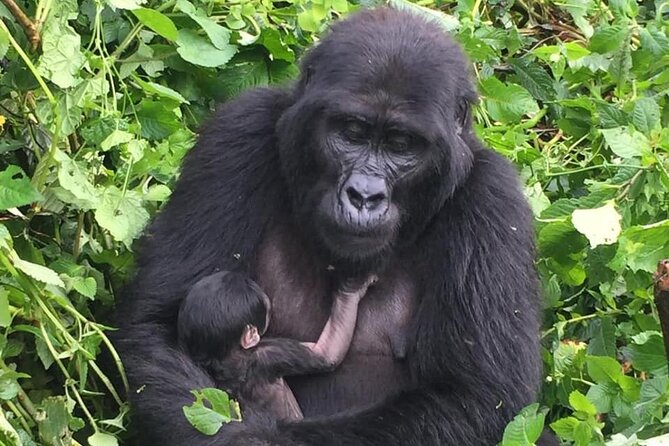
Permits are capped to a small number each day and sell out weeks ahead in the June to September dry season. Fix the trekking date, then hang Akagera, Kivu and Kigali around it. These three carry the most travellers into Volcanoes National Park; the full list splits the dawn runs from the overnight loops.
One day in Kigali, or three with the gorillas?
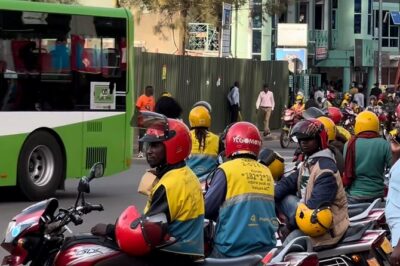
Kigali: markets, motos, coffee
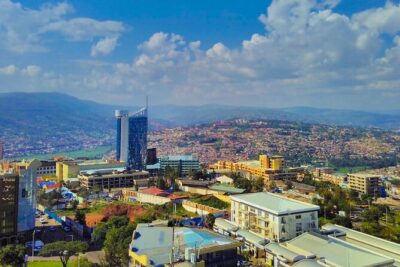
Nyamirambo’s food stalls, the craft markets, a roastery flight, and the viewpoints over all those hills. The capital rewards a guide and an appetite.
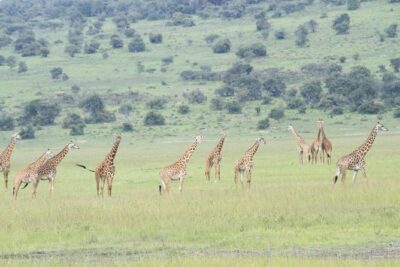
Akagera: the Big Five before dark
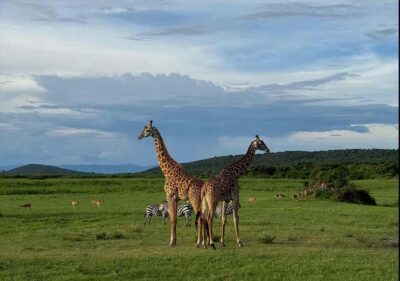
Two and a half hours east and you are among lion, elephant and giraffe on the lake-edge plains. Most drives collect you in Kigali while the city is still asleep.
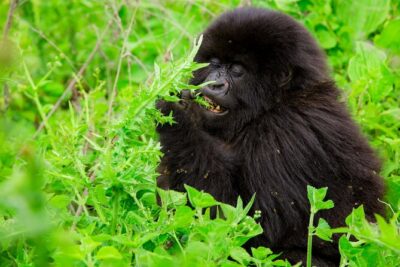
Volcanoes: the hour that headlines the trip
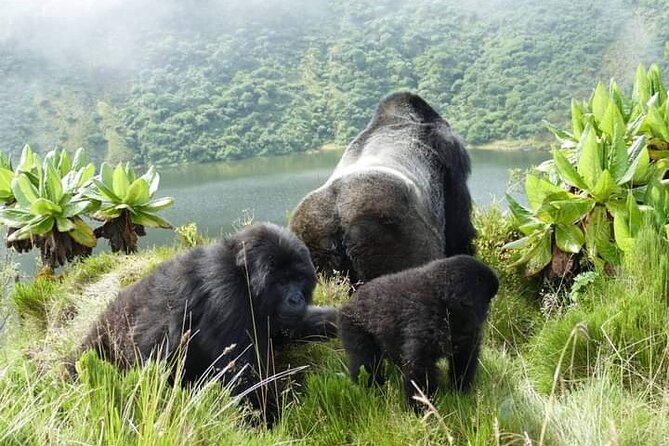
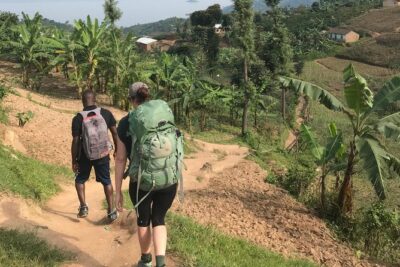
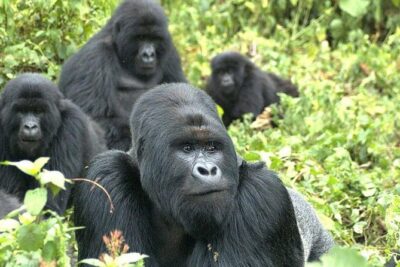
Trek up through farmland into the bamboo, find the family, and get exactly one hour with them. Day runs exist; the two-day loops breathe easier.
Volcanoes north. Savannah east. Lake west.
Rwanda barely takes three hours to cross, so the big days sort themselves by compass point: gorillas and golden monkeys in the north, Akagera’s plains in the east, Kivu’s beaches down the western edge, and Kigali holding the middle.
What Rwanda gets booked for first.
Every review →The tours more travellers take than anything else in the country, and what makes each one worth its day.
 2
Walking Tour with a Local Guide
from $30
2
Walking Tour with a Local Guide
from $30
 3
One-day Akagera National Park Game Drive with a Choice 4×4
from $205
3
One-day Akagera National Park Game Drive with a Choice 4×4
from $205
 4
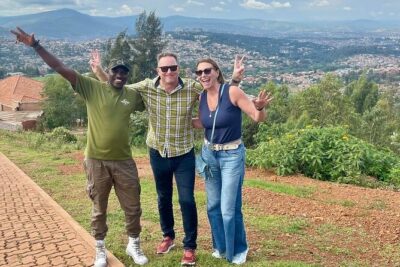
Private Full-day Kigali City Tour with Pickup and Lunch
from $180
4
Private Full-day Kigali City Tour with Pickup and Lunch
from $180
 5
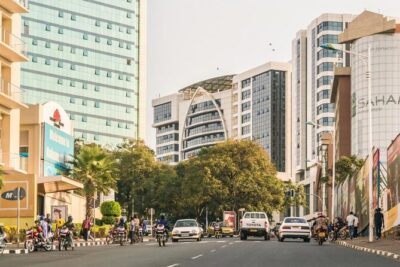
Kigali Walking Tour
from $30
5
Kigali Walking Tour
from $30
 6
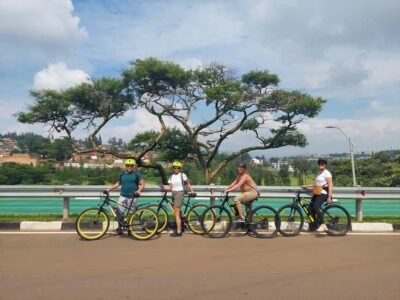
Kigali E-Bike City Tour with Breakfast
from $39
6
Kigali E-Bike City Tour with Breakfast
from $39
 7
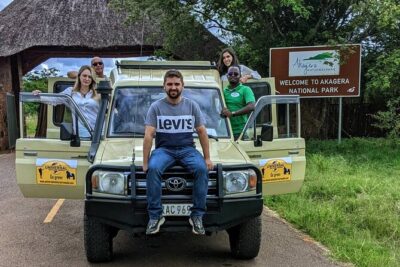
Private 1 Day Akagera Big Five Safari with pick up and lunch.
from $440
7
Private 1 Day Akagera Big Five Safari with pick up and lunch.
from $440
 8
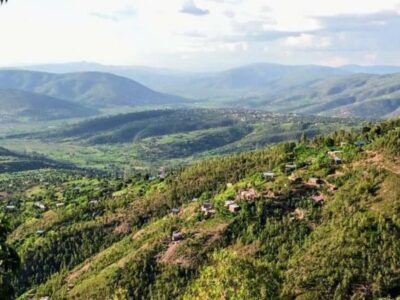
Mount Kigali and Cultural Village Tour with Snacks
from $35
8
Mount Kigali and Cultural Village Tour with Snacks
from $35
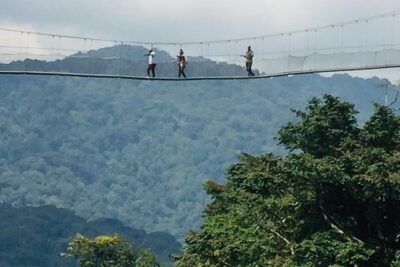
Nyungwe, from the top of the trees.
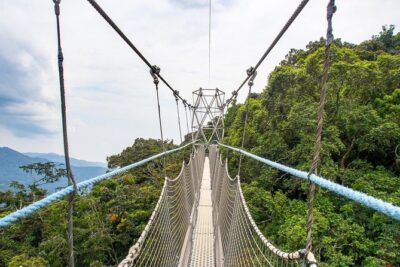
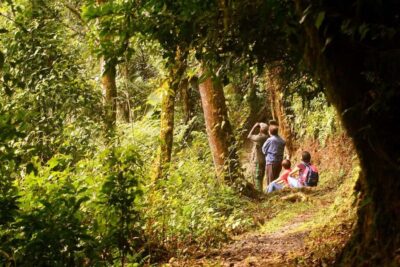
East Africa’s only suspended canopy walkway hangs above one of its oldest rainforests, and the chimpanzees start calling before the mist lifts. It is a long drive from Kigali; these are the day runs that make it work.
Rwanda keeps these three to itself.
Game drives and city tours exist everywhere. A bamboo forest full of golden monkeys, a lion comeback story and coffee this close to the farm do not.
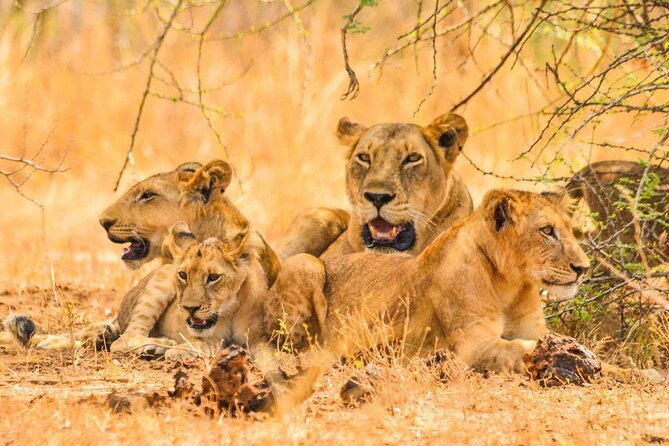
Akagera’s second act
By the mid-2000s Akagera had lost its lions entirely. Seven were flown in from South Africa in 2015, black rhinos followed in 2017, and today the park runs full Big Five game drives barely a morning’s drive from the capital. Go at dawn, when the lake edges fill with buffalo, hippo and the antelope the lions came back for.
- 1One-day Akagera National Park Game Drive with a Choice 4×4★★★★★★★★★★ 5.0 · 105 reviews
- 2Private 1 Day Akagera Big Five Safari with pick up and lunch.★★★★★★★★★★ 5.0 · 72 reviews
- 3One Day Akagera Wildlife Safari★★★★★★★★★★ 5.0 · 36 reviews
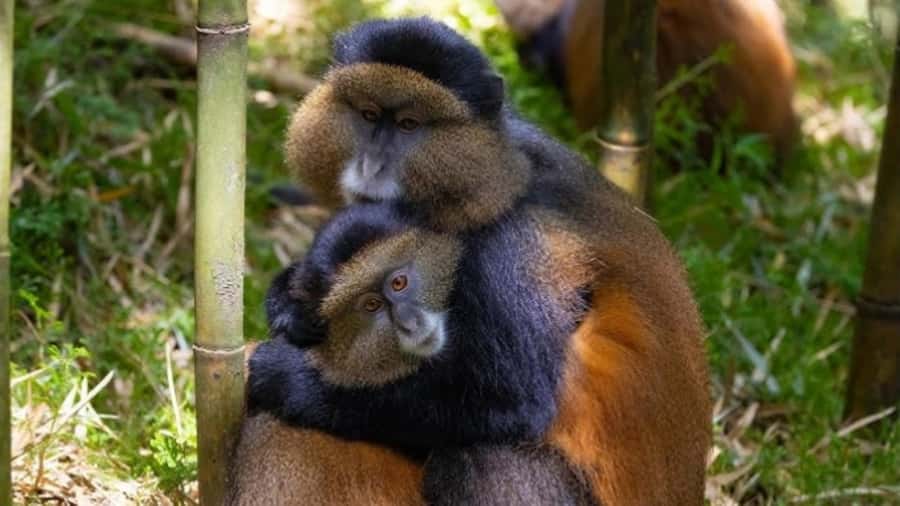
Golden monkeys of the Virungas
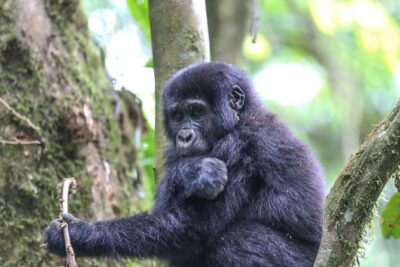
Golden monkeys live in the Virunga volcanoes and nowhere else on earth, and the bamboo belt at the foot of the peaks holds troops a hundred strong. The trek is gentler than a gorilla day, the permit costs a fraction as much, and the monkeys move so fast your camera will want its sport mode.
- 1Private 2 Days Volcano Golden Monkey and Bwindi Gorilla Trek★★★★★★★★★★ 5.0 · 6 reviews
- 2Golden Monkey Trekking with lunch★★★★★★★★★★ 5.0 · 4 reviews
- 33 Days Private Bwindi Gorillas and Volcanoes Golden Monkey Trek★★★★★★★★★★ 5.0 · 4 reviews

Coffee, at the source
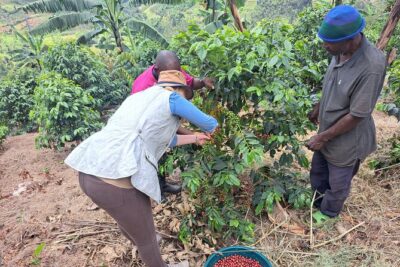
Rwandan coffee grows on smallholdings strung across hillsides up around two thousand metres, and the cup you taste at a Kigali roastery was often picked a few valleys away. Cuppings, roastery benches and farm treks run most days of the week; the women-led cooperative visits are the standout bookings.
- 1Traditional Coffee Experience ( Bean to Brew)★★★★★★★★★★ 4.8 · 54 reviews
- 2Specialty Coffee Masterclass★★★★★★★★★★ 5.0 · 33 reviews
- 3Women-led Coffee Farm Trek★★★★★★★★★★ 5.0 · 19 reviews
Kigali banned the plastic bag in 2008. It shows.
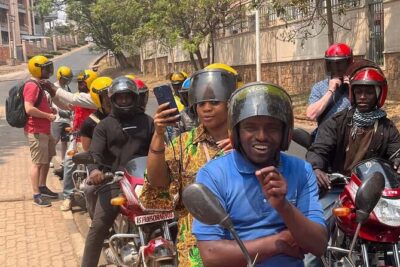
Motos in matching helmets, a coffee scene with an international reputation, food markets that reward a guide, and streets swept clean every umuganda morning. Kigali is not a transit stop; give it a full day and a night.
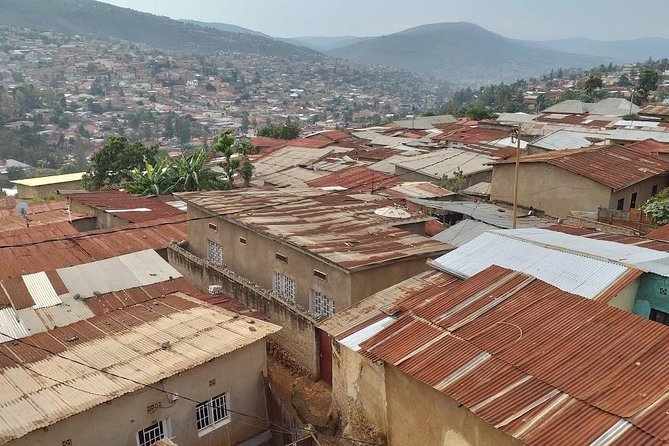
Understanding 1994.
No honest visit to Rwanda skips its memorials. The Kigali Genocide Memorial at Gisozi is the resting place of more than 250,000 victims of the genocide against the Tutsi, and most city itineraries pause there. Ntarama and Nyamata, south of the capital, keep two of the starkest church sites.
Go quietly, dress plainly, and give it a morning rather than an hour. It is the context for everything else the country shows you.
What a Rwanda day costs.
Every tour on the site, grouped by what it actually costs. The spread is honest: a guided walk costs less than lunch out, a permit day costs more than some flights.
Kigali on foot, coffee cuppings, e-bike loops and the city’s food markets: the everyday best of the capital.
- 1Walking Tour with a Local Guidefrom $30
- 2Kigali Walking Tourfrom $30
- 3Kigali E-Bike City Tour with Breakfastfrom $39
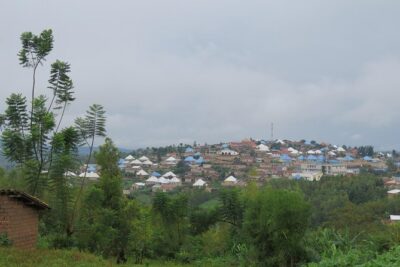
The classic day trips: Akagera game drives, Lake Kivu boat days and the long run down to Nyungwe.
Permit territory: gorilla days, golden-monkey pairings and the multi-day loops that join the whole country together.
Two dry seasons, one green stretch between.
June to September is the long dry season and the easiest trekking; December to February is its shorter echo. The long rains of March to May turn trails to mud and the hills their deepest green: treks still run, lodges empty out, and Kigali’s roasteries, kitchens and markets keep the wet afternoons full.
- 1Kigali City Tourfrom $162
- 2Private Full-day Kigali City Tour with Pickup and Lunchfrom $180
- 3Kigali E-Bike City Tour with Breakfastfrom $39
By corner of the country
 Kigali164 tours
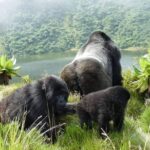 Volcanoes National Park9 tours
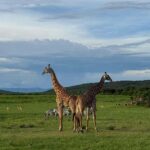 Akagera36 tours
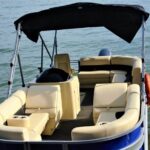 Lake Kivu14 tours
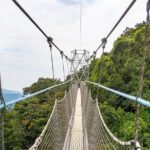 Nyungwe Forest7 tours
- All 183 reviews →
A first week, Kigali out and back.
 Akagera NP
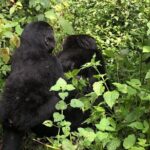 Volcanoes NP
 The bamboo belt
The latest Rwanda tour reviews.
All recent →
1 Day Gorilla Trekking Safari in Rwanda Volcanoes National Park
Read our review →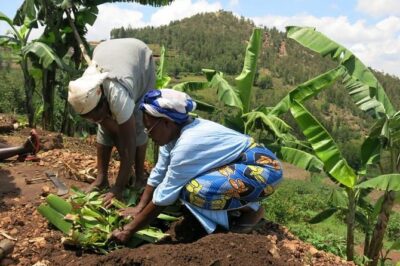
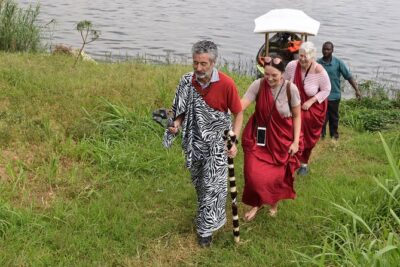


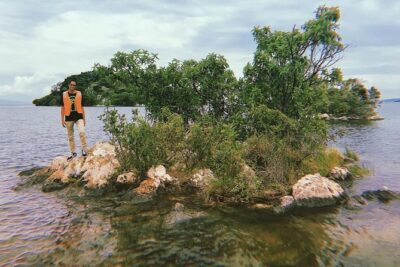
1-Day Lake Kivu Karongi Boat Cruise & Coffee farming with Lunch
Read our review →